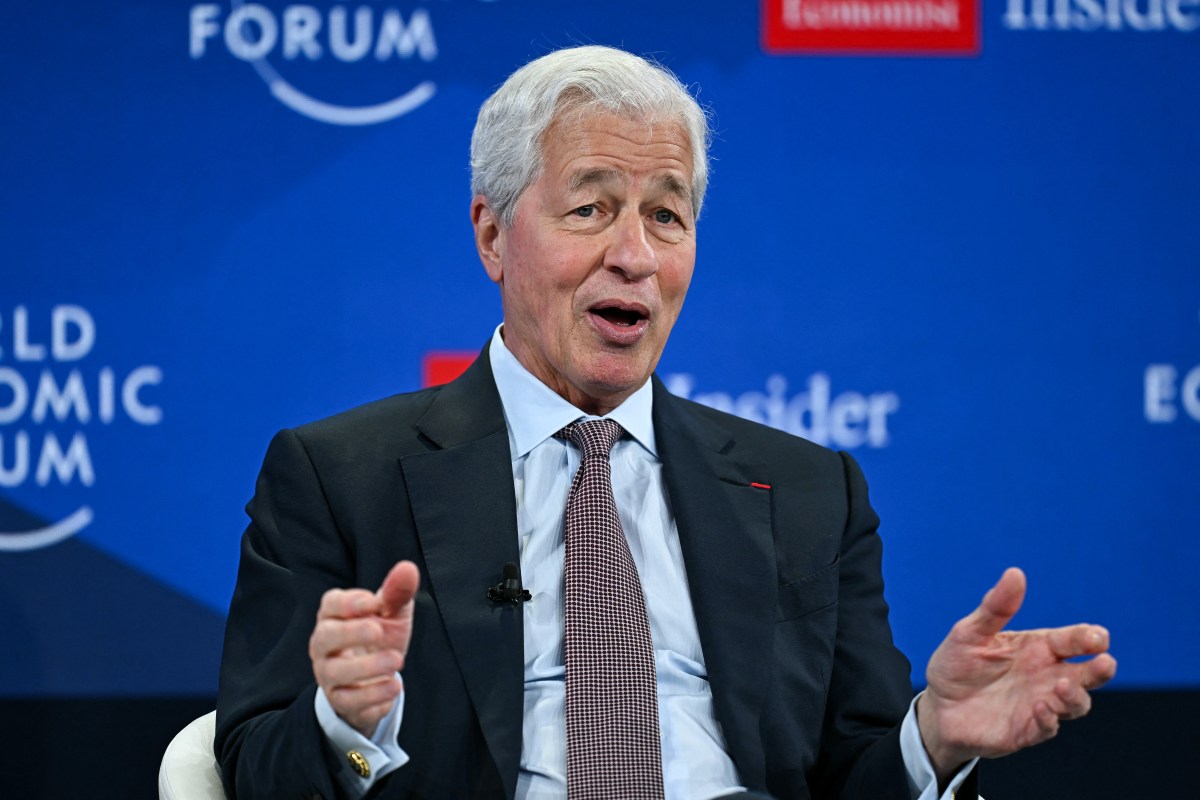
President Donald Trump’s plan to temporarily cap credit card interest rates could result in “economic disaster” and restrict access to credit for millions of Americans, according to JPMorgan Chase CEO Jamie Dimon.
Speaking at the World Economic Forum (WEF) annual summit in Davos, Switzerland, on Wednesday, Dimon said the plan could herald “a drastic reduction of the credit card business” and “remove credit from 80 percent of Americans.”
Newsweek reached out to the White House via email for comment.
Why It Matters
The proposed cap on interest rates is one of several measures Trump has proposed to provide financial assistance to voters ahead of the 2026 midterms, including an in-progress ban on “large institutional investors” purchasing single-family homes, and directing agencies to purchase billions of dollars in mortgage-backed securities to reduce home loan payments.
However, experts remain skeptical that Trump will be able to carry out this credit card plan in the face of institutional opposition and given the apparent need for congressional approval, or that this will deliver the intended relief for Americans suffering from record-high household debt.
What To Know
Earlier this month, Trump said that credit card companies had for years “ripped off” Americans by charging excessive rates, calling for a 10-percent cap for one year to ease the burden on U.S. consumers.
The policy was meant to take effect on Tuesday, after which Trump said companies would be “in violation of the law.” This deadline, however, passed without any issuers announcing that they would abide by his social media directive.
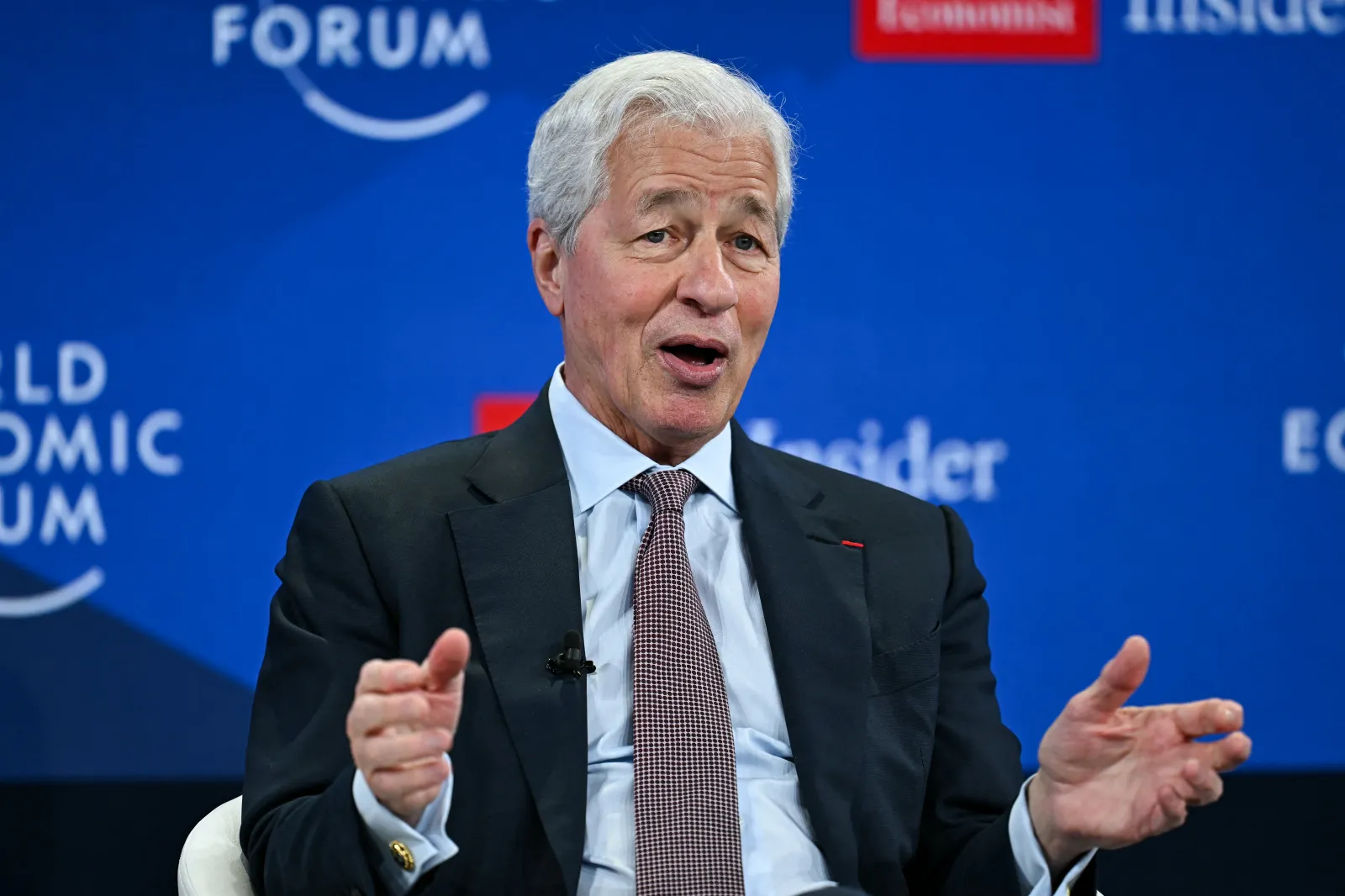
On Wednesday, Dimon said he hoped to see the idea tested in a few states to “see what happens,” but cast doubt on the policy ever being rolled out nationwide. And experts have echoed his warnings that such a policy could restrict consumers’ access to credit.
“A 10 percent cap on credit-card interest rates may seem like a way to cut borrowing costs, but at such low levels banks will find it difficult to price for the risk of lending to consumers with lower credit scores,” Rodney Williams, cofounder of the community finance platform SoLo Funds, told Newsweek.
“Faced with squeezed margins, lenders are likely to tighten underwriting, raise annual and other fees to compensate, and restrict or close accounts for higher-risk cardholders,” he said. “That means many Americans living paycheck to paycheck with imperfect credit could lose access to mainstream credit cards and be moved towards cheaper alternative lenders like community finance apps and other non-traditional credit sources that don’t bar borrowers for low scores just to get the working capital they need.”
And others have likewise doubted that the policy will come into effect, with Bankrate senior economic analyst Mark Hamrick telling Newsweek: “The credit card cap isn’t going to happen. It requires legislative action, and the industry indicates there’d be a severe rollback in access to credit were it to be imposed.”
What People Are Saying
Jennifer Doss, a credit card analyst and executive editor at CardRatings.com, previously told Newsweek: “Banks use interest rates to manage the risk of lending to people with lower credit scores. If we take that tool away, banks won’t just lower their rates, but they’ll likely stop lending to those borrowers altogether. We could see millions of people lose their accounts or get denied new ones, cutting them off from a vital financial safety net.”
A group of five banking associations said in a joint statement responding to Trump’s proposal: “We share the President’s goal of helping Americans access more affordable credit. At the same time, evidence shows that a 10 percent interest rate cap would reduce credit availability and be devastating for millions of American families and small businesses who rely on and value their credit cards, the very consumers this proposal intends to help.”
What Happens Next
Trump appeared to acknowledge the inability to push this plan forward unilaterally and the need for support from Capitol Hill during his speech in Davos on Wednesday.
“[Credit card companies] charge Americans interest rates of 28 percent, 30 percent, 31 percent, 32 percent, whatever happened to usury?” Trump said. “So, to help our citizens recover from the Biden disaster, all caused by this horrible, just horrible president, I’m asking Congress to cap credit card interest rates at 10 percent for one year.”
In a polarized era, the center is dismissed as bland. At Newsweek, ours is different: The Courageous Center—it’s not “both sides,” it’s sharp, challenging and alive with ideas. We follow facts, not factions. If that sounds like the kind of journalism you want to see thrive, we need you.
When you become a Newsweek Member, you support a mission to keep the center strong and vibrant. Members enjoy: Ad-free browsing, exclusive content and editor conversations. Help keep the center courageous. Join today.

