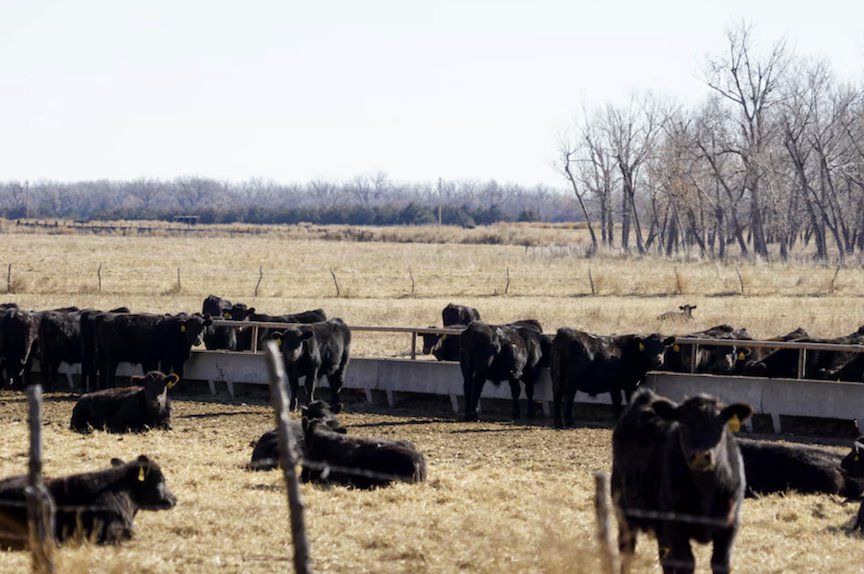
Mark and Robyn Jones of Westlake, founders of Goosehead Insurance, have paid $56 million for the sprawling Pawnee Springs Ranch in Lincoln County, Nebraska, in what appears to be a record-high sale for the state’s Sandhills ranchland, according to the Nebraska Examiner.
The roughly 41,000-acre cattle and river ranch transitions from long-time owners connected to Gottsch Feeding Corp. to the Texas couple, known in agricultural and business circles for their rapid rise in the insurance industry and expanding investment footprint.
The Joneses, high school sweethearts with six children and 20 grandchildren, founded Goosehead Insurance in Westlake and have since built the company into a major national broker. They also own and operate other large ranch properties, including a timberland estate in Montana.
Mark Jones, who along with Robyn has a combined net worth of $2 billion, according to Forbes, was a truck driver before earning an MBA from Harvard. He then landed a job at Bain, eventually rising to senior partner. Robyn started a property and casualty insurance agency in 2003. Mark joined that business the next year.
They took Goosehead public in 2018. The Jones family owns more than a third of the $315 million business (2024 data), which has more than 1,000 franchises.
In acquiring Pawnee Springs, the Joneses said they aim to develop it into a “world-class cattle operation” focused on ranching and backgrounding livestock. Mark Jones told the Nebraska Examiner the couple sought a property where they could blend agricultural production with long-term stewardship.
Hall and Hall, an agricultural real estate firm, represented both buyer and seller in the transaction. The ranch — known for its native range, river corridors and access to Ogallala Aquifer water — offers significant resources for cattle production and wildlife habitat.
The Gottsch family, who owned the ranch for more than four decades, said in a statement they sold with “a heavy heart” after years of multigenerational ranching and community involvement.
Industry observers, according to the Examiner, see the sale as part of a broader trend of entrepreneurial investors diversifying into high-value farmland and ranchland across the Plains.