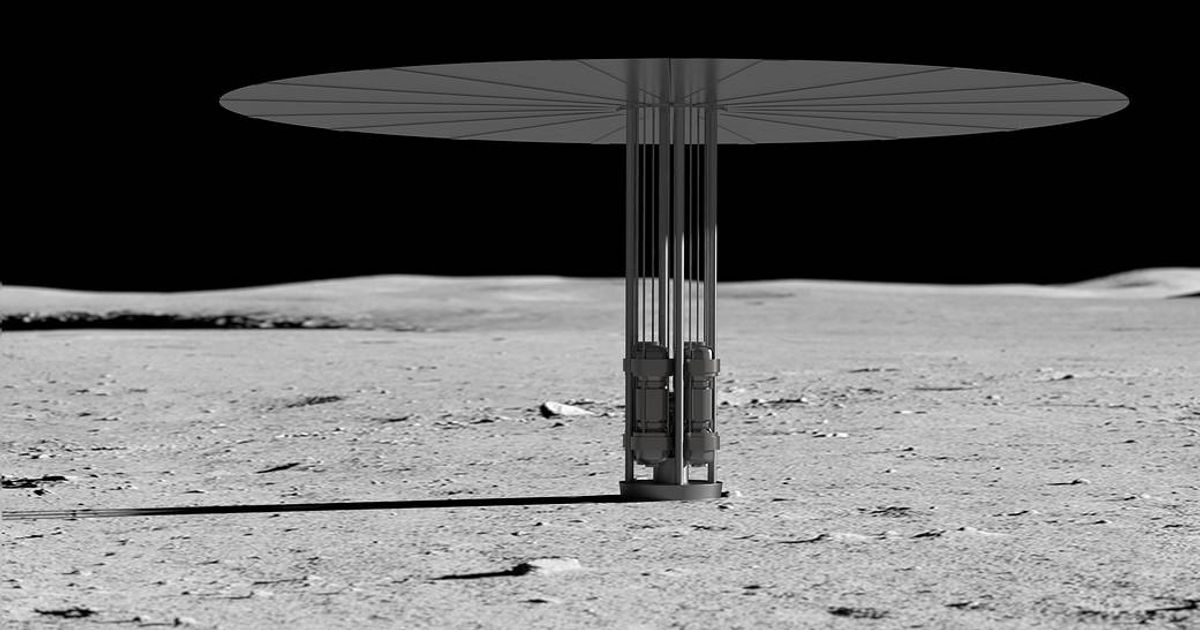
As preparations continue in Florida for the launch of the Artemis II mission as soon as next week, NASA announced a partnership with the U.S. Department of Energy to develop a new power source for future Artemis missions on the Moon.
The agencies are studying small nuclear fission reactors that could generate tens to hundreds of kilowatts of electricity. This level of power would support life-support systems, scientific instruments, communications equipment, and systems that could extract oxygen or fuel from lunar soil and ice.
Generating power on the Moon is difficult. Apollo missions were carefully scheduled to land during daylight, and crews stayed on the surface for no more than about three days. In contrast, a lunar night lasts 14 Earth days, during which solar panels produce no power.
Future Artemis missions will focus on the Moon’s polar regions, where some areas remain in permanent shadow. Surface temperatures can range from about −240 degrees Fahrenheit at night to 240 degrees Fahrenheit during the day, conditions that push batteries and solar systems beyond their limits.
A small nuclear fission reactor can provide steady electrical power regardless of sunlight or temperature. NASA studies show that such a system could operate continuously for years and support long-duration surface missions.
Nuclear power is not new to lunar exploration. During the Apollo missions, astronauts deployed radioisotope thermoelectric generators, or RTGs, as part of the Apollo Lunar Surface Experiments Package. These devices powered scientific instruments such as seismometers and heat-flow experiments.
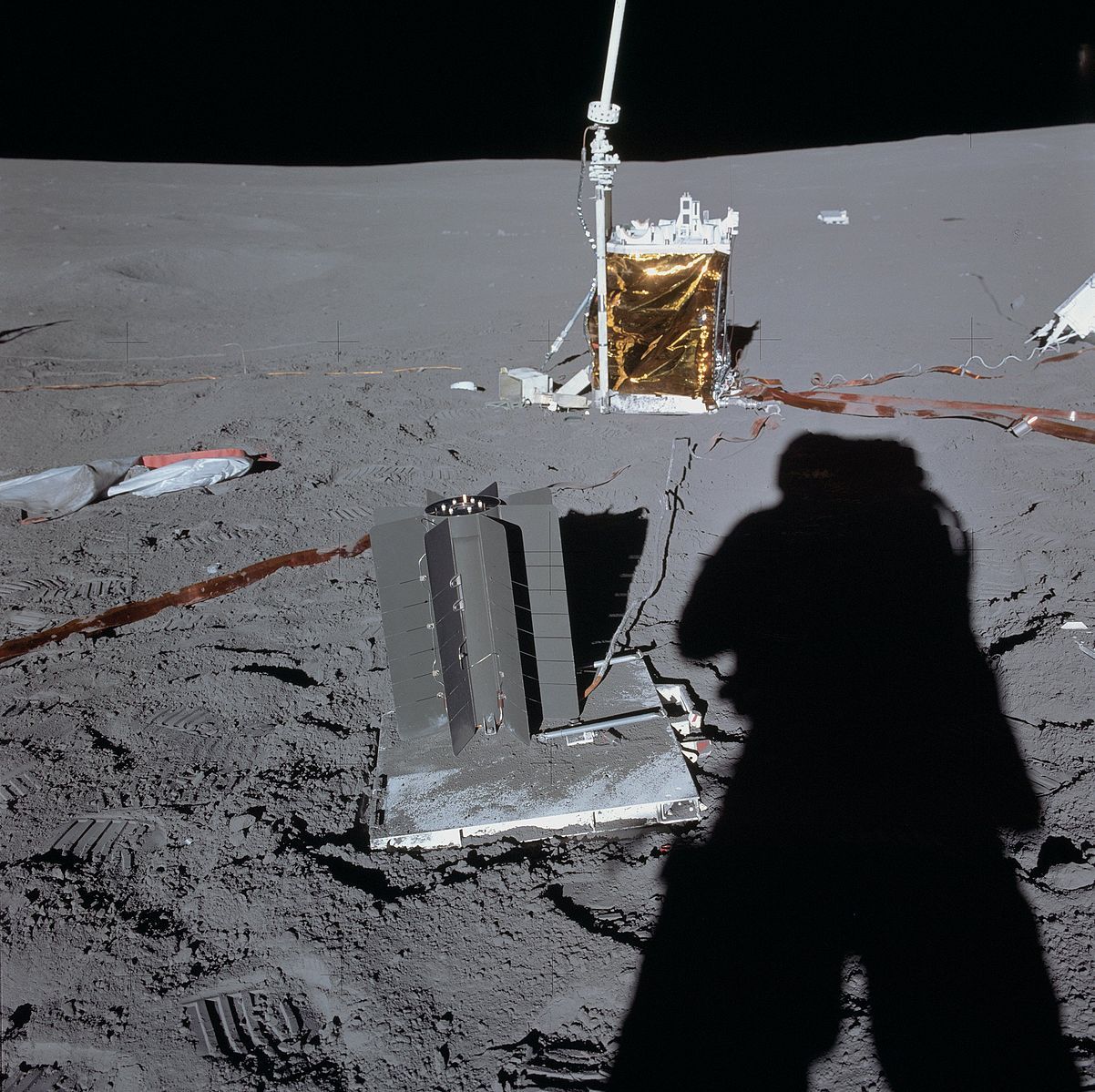
RTGs work by converting heat from the natural radioactive decay of plutonium-238 into electricity using thermoelectric materials. They produce only hundreds of watts, but they can operate continuously through lunar day and night. Some Apollo instruments sent data back to Earth for several years after astronauts left the Moon.
RTGs are reliable but produce limited power. The proposed lunar reactors would use nuclear fission, a process that splits uranium atoms to release much larger amounts of energy. This approach can generate thousands of times more electricity than RTGs and is necessary for a sustained human presence on the Moon.
You might be reading this article using power generated by fission of uranium-235 at the Shearon Harris Nuclear Power Plant in southwest Wake County.
NASA has tested parts of this technology through projects such as Kilopower, which demonstrated a small, uranium-fueled reactor designed for space use. The current NASA and Department of Energy partnership builds on that work, with the goal of developing systems that can be launched safely, deployed by robots, and operated on the lunar surface for many years.