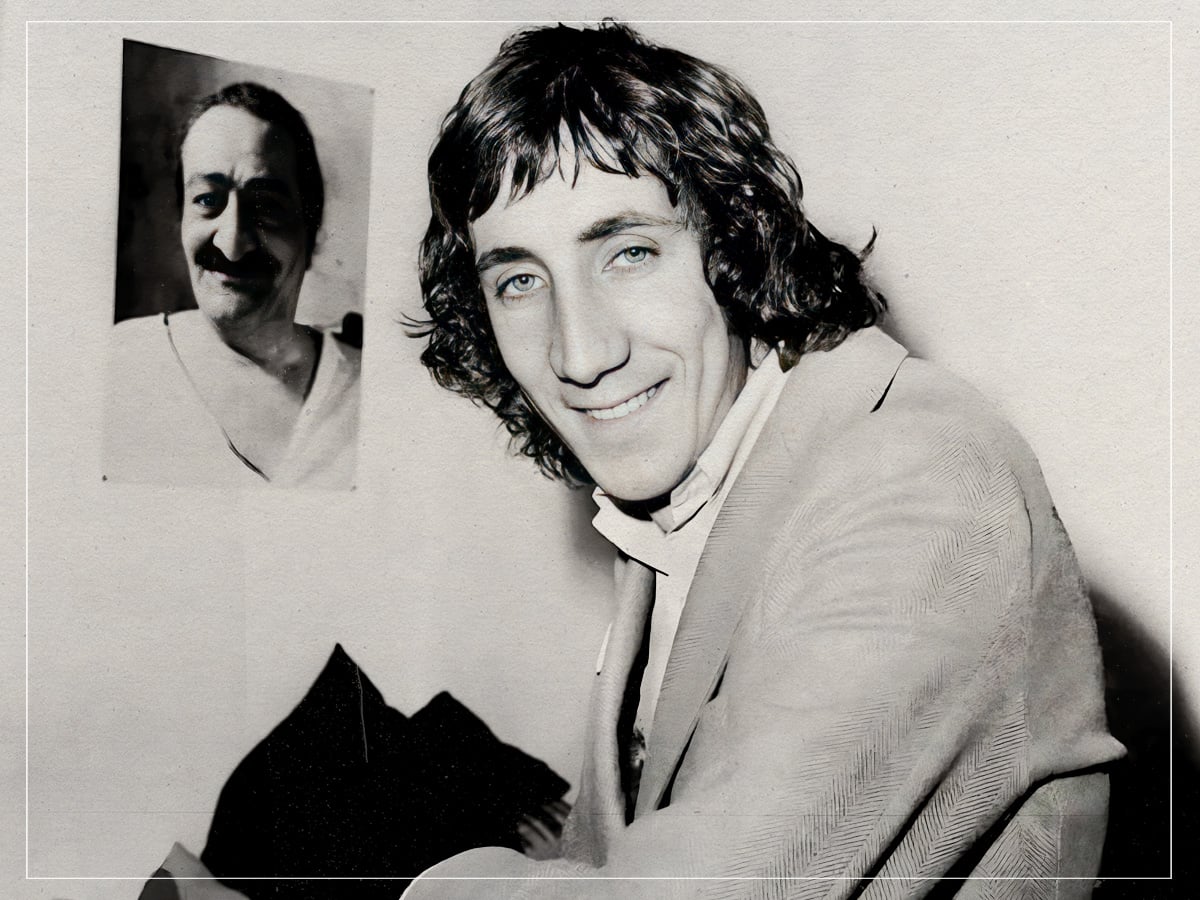
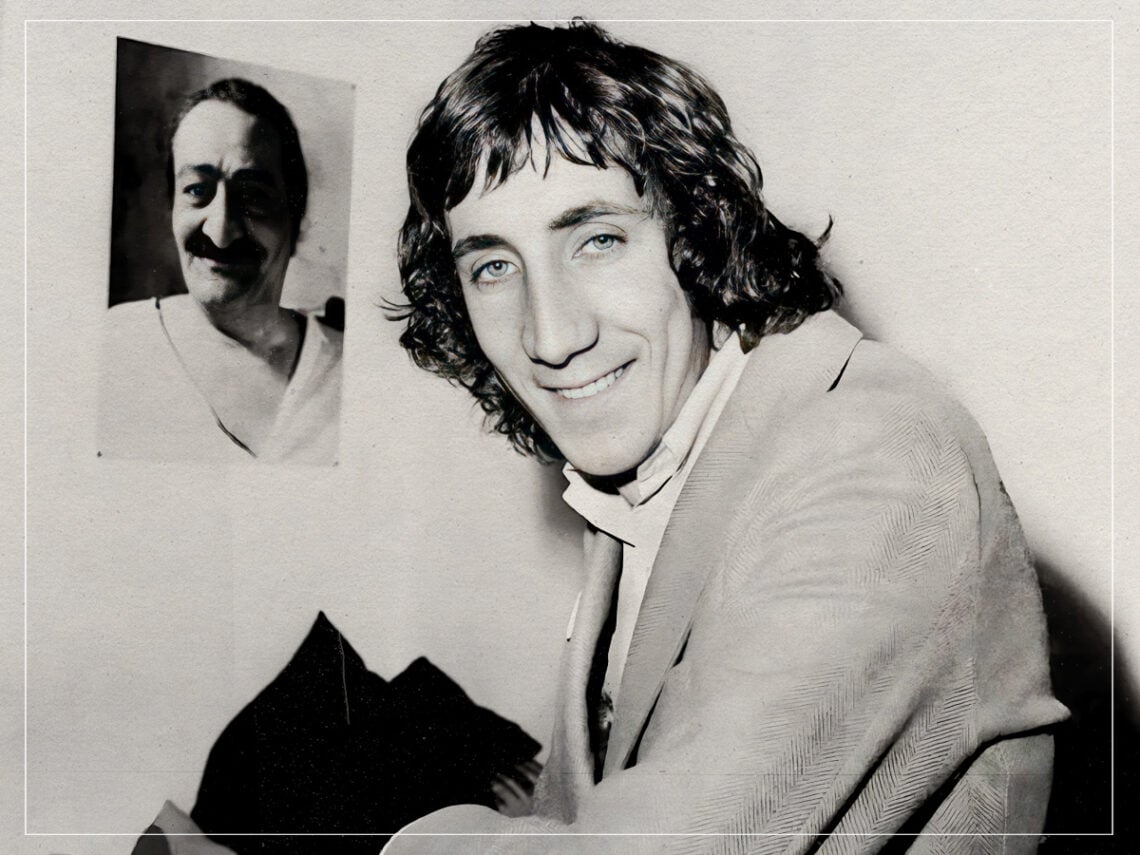
(Credits: Far Out / Alamy)
Thu 29 January 2026 12:14, UK
The Who were, in many ways, the quintessential rock group. They sprang from the 1960s as one of the prominent groups of the British Invasion, known mainly for their early hit ‘My Generation’ and their explosively loud performances.
This all-out rock ‘n’ roll display would more often than not end in a scene of total destruction as guitarist Pete Townshend smashed his relatively expensive six-string into smithereens on the stage floor. These destructive antics would eventually pervade the mind of guitar hero Jimi Hendrix, who grabbed his audience’s attention with some destructive pyrotechnics of his own.
Anarchy was upon us. And anarchy would also be a misnomer bestowed by those who didn’t quite get it. This rage was borne from a hopeful desire to forcefully happen upon something ‘else’, to leave the woes of the stilted post-war generation behind and give youth a voice.
Under this tough exterior of rock and roll uproar, The Who were very serious about their craft as they drew on a healthy range of influences to create some of the most intriguing rock music of the 1970s. They were ferociously riffing one minute, and singing about Meher Baba the next. In many ways, that was a reflection of the various influences on that band and their enigmatic leader, Townshend.
The beginning of the ‘70s marked the peak of The Who’s creativity as they became increasingly experimental in the studio. The music began to see the heavier involvement of synthesisers while they pioneered the rock-opera concept with 1969’s Tommy and 1973’s Quadrophenia, which were both later adapted into films.
 Pete Townshend in his younger years on stage. (Credits: Far Out / Bent Rej)
Townshend was the key driver behind the band’s creative whim, and his passion for music was as broad as it was obsessive. Townshend’s infatuation with rock and roll began when some friends at art school introduced him to the rhythm and blues craze in America, but before that, he had a keen interest in jazz, thanks to his parents’ taste in music and his father’s role in a dance band.
Not long after gaining traction with The Who’s first run of successful singles in the mid-60s, Townshend discovered the next stepping stone in his path of inspiration. The Beatles’ intensely psychedelic 1967 album Sgt. Pepper’s Lonely Hearts Club Band. Deeply conceptual, this swirling mire, which he heard before it was even released at a party, was exactly what he had been searching for.
In his 2012 book Who I Am: A Memoir, Townshend remembered listening to Sgt. Pepper’s Lonely Hearts Club Band, while on tour with The Who. “The shock-wave it caused challenged all comers; no one believed The Beatles would ever top it, or would even bother to try,” he passionately wrote.
Later in the book, Townshend compared Sgt. Pepper to The Beach Boys’ 1966 masterpiece album, Pet Sounds. “For me, Sgt. Pepper and The Beach Boys’ Pet Sounds redefined music in the 20th century: atmosphere, essence, shadow, and romance were combined in ways that could be discovered again and again,” he wrote. “Neither album made any deep political or social comment, but ideas were not what mattered. Listening to music had become a drug in itself.”
“I loved smoking a little grass and listening to my two favourite albums, Sgt. Pepper and Pet Sounds, and every time I listened, I heard something new, but I wish I could say I heard something important,” Townshend recalled later in the memoir.
“These two great albums indicated the future but passed on no tools, codes, or obvious processes that would lead to a door,” he explained. “I ached for more than just a signpost pointing to the future, which is what these albums were to me.” A wellspring of art came from these “perfect” records, and Townshend was among their keenest disciples.
While Townshend’s two favourite albums may not have instrumentally directed his next moves for The Who, they seemed to open up his vision for the future before he stepped forth and helped build it.
“Those two albums,” he would proclaim, “are seminal changes in what we all believed was going to be possible if you were in a band making records.” If Bob Dylan had provided a new breadth of lyrical depth, then these two classics had just sonically dug to China. As Townshend puts it: “Genius”.
Related Topics
The Far Out Beatles Newsletter
All the latest stories about The Beatles from the independent voice of culture.
Straight to your inbox.