Tension: We chase financial security while ignoring the everyday moments that already prove we have it.
Noise: Society fixates on account balances and net worth figures, missing the behavioral markers that actually indicate financial stability.
Direct Message: Wealth reveals itself in what you can do without thinking, not in what you can afford to buy.
To learn more about our editorial approach, explore The Direct Message methodology.
Ask someone how they know they’re wealthy, and you’ll hear a familiar answer: a specific number. A million dollars. Two million. Maybe five. Kevin O’Leary famously says you need at least $5 million in liquid assets to feel truly free. And while there’s logic to that math, it misses something profound about how financial security actually feels when you’re living it.
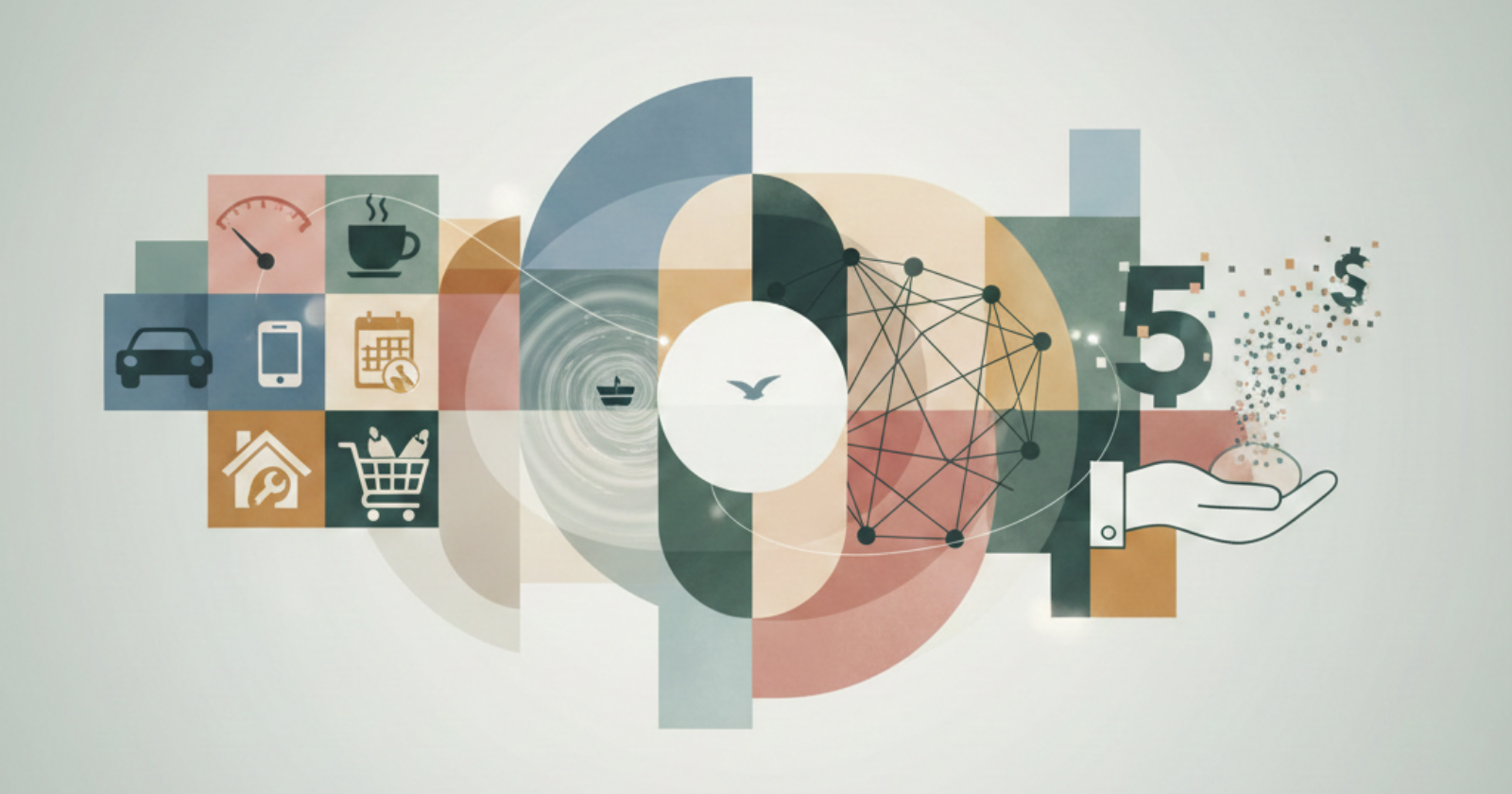
Here’s what most people don’t realize: the clearest signs of wealth aren’t visible in your portfolio. They show up in the small, unremarkable moments you barely notice. The dinner invitation you accept without opening your banking app. The car that needs new tires, and you just get them. The subscription renewal that passes through your account without triggering a ripple of anxiety.
These micro-decisions reveal more about your financial position than any balance sheet ever could.
The Gap Between What We Count and What We Feel
There’s a strange disconnect in how we talk about money. We obsess over metrics: savings rates, net worth milestones, retirement calculators. But according to financial experts at GOBankingRates, one of the most reliable indicators of wealth is whether you can afford a luxury item without needing to save up for it first.
That sounds almost too simple. But think about what it actually means. It means you have margin. You have room between what comes in and what goes out, enough that an unplanned expense doesn’t collapse the whole system.
In the behavioral economics work I’ve studied, this is called “financial slack.” And most Americans don’t have it. When analyzing consumer behavior data, I’ve seen how even households earning six figures often live without any buffer at all. One unexpected bill, and the whole month unravels.
Certified financial planner Kendall Meade, in an interview with GOBankingRates, puts it simply: “Being ‘rich’ means something different to everyone. For some, this may just mean being able to comfortably afford their lifestyle.”
That definition sounds modest until you realize how few people can actually say it with confidence.
Why the Numbers We Chase Keep Us Feeling Poor
Here’s where it gets uncomfortable. The financial media, the influencers, the comparison culture of social media, all of it trains us to measure wealth in accumulation. How much you have. How much you can spend. What you can afford to show off.
But this framework keeps us perpetually dissatisfied. No matter how much you earn, there’s always a bigger number to chase. Someone always has more. And so even people with objectively stable finances feel broke because they’re measuring themselves against the wrong standard.
Financial expert Ben Richardson, director of Acuity Training, argues that you’re wealthier than you think if “you do not have debt or exorbitant bills weighing you down that need to be paid.” Notice what’s missing from that definition: any mention of a specific dollar amount.
This is where conventional wisdom fails us. We’re taught to ask, “How much do I have?” when the better question is, “How much stress does money cause me?” The people who never struggle with money don’t necessarily have the most of it. They’ve simply built enough margin that the unexpected doesn’t become a crisis.
The Six Things That Reveal Your True Position
So what are these everyday markers of financial stability? Here are six things that, if you can afford them without checking your bank account first, suggest you’re wealthier than you think:
- Filling your gas tank completely. Not $20. Not half. All the way. When you can pull up to the pump and fill until it clicks without doing mental math, that’s stability.
- Saying yes to dinner with a friend. The invitation comes, and you think about your schedule, not your balance. The $50 tab won’t require shuffling anything around.
- Handling a small medical expense. A copay, a prescription, a dental cleaning. You book the appointment based on availability, not whether you can afford it this pay period.
- Letting subscriptions renew automatically. Netflix, Spotify, the gym. These recurring charges pass through your account without triggering anxiety about potential overdrafts.
- Buying groceries without a strict list. You can grab the better olive oil. You can add the extra avocados. The cart reflects what you want, not a strict calculation of what you can permit yourself.
- Replacing something broken. A cracked phone screen, a worn-out pair of work shoes, a household appliance that finally gives out. You handle it within days, not months.
None of these involve luxury cars or designer handbags. They’re mundane. Ordinary. And that’s precisely the point.
What This Actually Means
Wealth is the absence of financial friction in everyday decisions. It’s not what you can afford to buy. It’s what you can afford to stop thinking about.
Redefining What You’re Actually Measuring
This reframing matters because it changes how you relate to your own finances. If you’re constantly stressed about money despite earning a decent income, the problem may be less about how much you have and more about how you’ve structured your life around it.
The signs of genuine wealth often go unnoticed precisely because they’re quiet. They don’t announce themselves. They show up as calm. As ease. As the ability to make small decisions based on what you want rather than what your account balance permits.
If you recognized yourself in most of the scenarios above, take a moment to acknowledge what that means. You’ve built something. Maybe not a fortune by headline standards, but something more valuable in daily lived experience: room to breathe.
And if you didn’t recognize yourself in those moments, that’s useful information too. It suggests where to focus, not on earning more necessarily, but on building margin. On creating the kind of buffer that lets small expenses stay small instead of cascading into crises.
The traps that keep people stuck financially often have less to do with income and more to do with the absence of slack. Close that gap, and the relationship between you and money fundamentally shifts.
Because at the end of the day, wealth shows itself in the decisions you don’t have to agonize over. In the invitations you can accept without hesitation. In the repairs you can make without dread. True financial security is measured in mental bandwidth freed up for everything else that matters in your life.