Imagine a world with no hunting, no fishing, no livestock.
That might sound like Bizarro World to most Americans. But animal rights advocates are pushing to make it a reality in Oregon.
Initiative Petition 28 would remove many exemptions from current Oregon animal cruelty laws to protect more animals from abuse, neglect and killing. Exemptions would remain for self-defense and veterinary practices, but otherwise the measure would criminalize any activity that injures or kills animals.
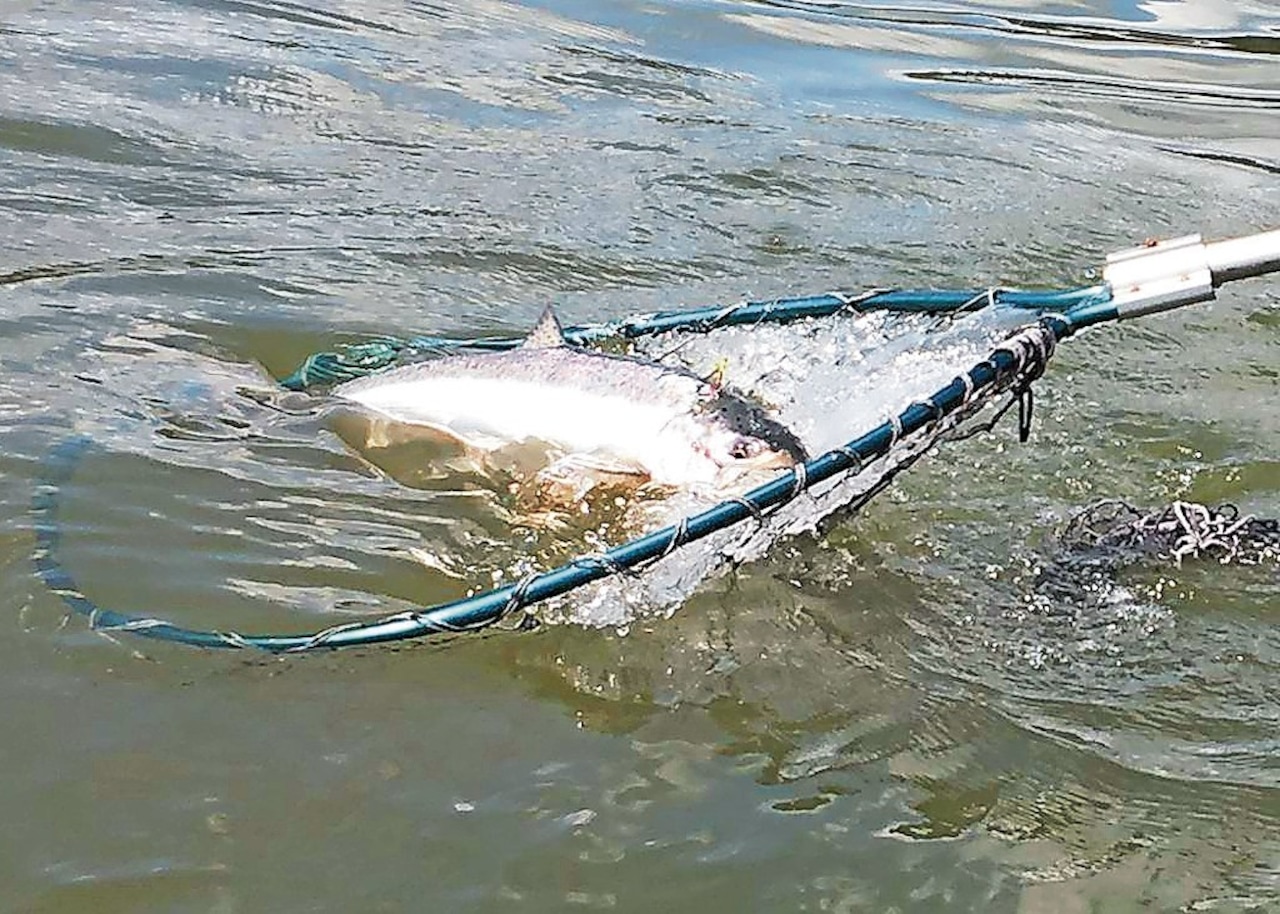
Most of the same protections that currently apply to the family dog or cat would extend to salmon, deer, cattle and lab animals. The PEACE Act (People for the Elimination of Animal Cruelty Exemptions) would therefore bring a seismic shift to multiple Oregon industries, from farming and fishing to scientific research and restaurants.
It’s no sure thing that the initiative will make it onto the November ballot. Organizers have gathered more than 92,000 signatures since summer 2024, but they need to hit the required 117,173 by July 2. With about 25,000 more to go, they are roughly 79% of the way there.
David Michelson, who is leading the initiative, said the campaign was trying to raise awareness about the needs of those other animals, not just pets.
“Right now, I think it is normal for people to recognize that our companion animals have needs,” Michelson said. “I think most people would say, ‘Yeah, dogs and cats, they’re curious, they enjoy play, they enjoy companionship, they fear, they want comfort, they have these basic needs.’ And I would say not just basic needs but psychological needs. I think most people would acknowledge that. But we don’t tend to acknowledge that when it comes to other animals.”
Michelson emphasized that there are ways people could meet their own needs that don’t come at the expense of animals’ needs. He pointed to non-lethal wildlife management, organs-on-chips for animal research and alternatives to animal agriculture as a few examples.
“I think it’s really important that we are conscious that our choice right now to kill animals is a choice, that it is a strategy that we’re using to meet some very important needs,” he said. “And I really do want to acknowledge those needs and validate how important those are, whether those needs be for sustenance, for culture, for recreation, for whatever it might be, for economic stability, all those things. But that there are alternative choices we could make.”
To address the initiative’s potential impact on industries, organizers included the creation of a transition fund that could be used for income replacement, job retraining and food assistance.
Plenty of industry groups are loudly opposing the initiative.
A graphic from the Oregon Hunters Association says that “every Oregonian” would be affected by the measure. AGPROfessionals, an advocacy company based in Greeley, Colorado, calls the Oregon initiative “a direct threat to agriculture and animal ownership.
“Not only is this effort misguided, but it would also criminalize many aspects of agriculture, from the production of animal-based foods and recreational activities to pest control,” Lauren Kuenzi of the Oregon Farm Bureau told Willamette Week. “This is nothing more than an attack on those who adhere to strict animal care standards designed to keep animals healthy and safe.”
Michelson acknowledges the challenges the campaign faces, saying he “would love it” to pass in 2026 while also adding: “We are aware that it’s unlikely 50% of Oregonians are ready right now to move away from killing animals.”
Instead, Michelson is taking the long view and drawing inspiration from the women’s suffrage movement that carried on for decades before the ratification of the 19th Amendment in 1920.
“They forced the vote on suffrage again and again and again,” he said. “And in Oregon in particular, it was voted on six times before it finally passed.”
Indeed, no state voted on women’s suffrage more times than Oregon. The measure initially garnered just 28% of the vote in 1884 before passing with 52% in 1912.
Michelson has no illusions about the percentages his campaign might see if the initiative makes it onto the ballot. He estimates that only about 1% to 2% of the U.S. population is vegan.
“If we get a number higher than 2% or 3%, I think that actually will already show that there are people out there who aren’t choosing right now to go vegan, to avoid animal products, but are interested in society moving in that direction altogether,” Michelson said. “So I think that would be a pretty powerful statement, whatever the percentage is.”