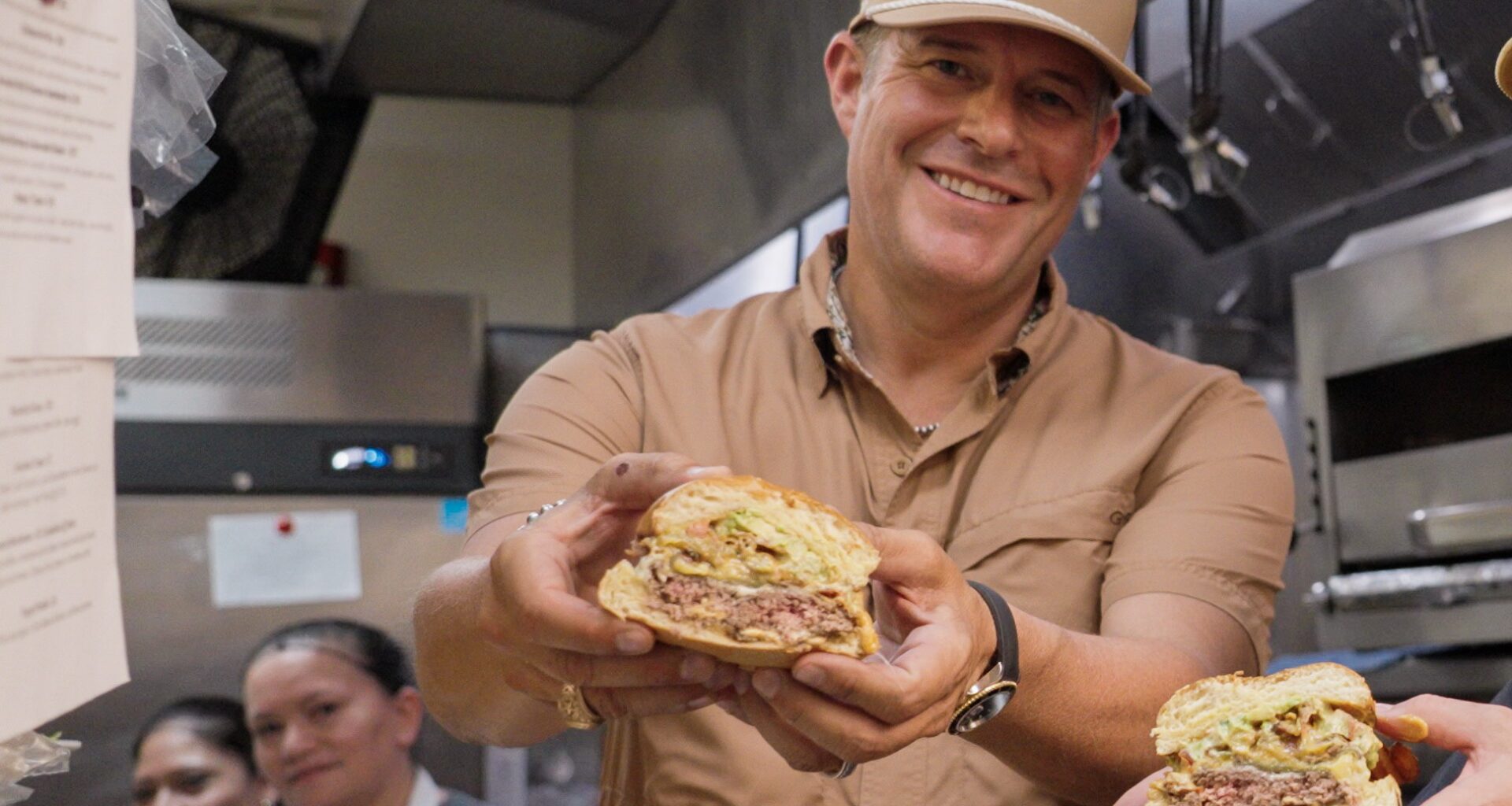
RFD Network has announced some changes in which Fort Worth will play a big role.
The Nashville-based network has formally transitioned from its previous name, Rural Media Group to RFD Network to better reflect the evolution of its business from a primarily distribution-led operation to a content-first network centered on original rural programming across a variety of platforms: television, streaming, digital and audio.
As the network celebrates its 26th year of broadcasting, Raquel Gottsch Koehler, co-owner and chief marketing and creative officer said they felt it was important to understand where they were going.
“We really wanted to make sure that what we were doing and investing in was going to be serving that next generation of folks that were also either serving their family farms in rural America or people that were living in rural America,” she said.
Across its portfolio, RFD Network delivers programming spanning agriculture, food, music, travel and ministry, reaching more than 50 million households with live news, lifestyle and entertainment programming and original series.
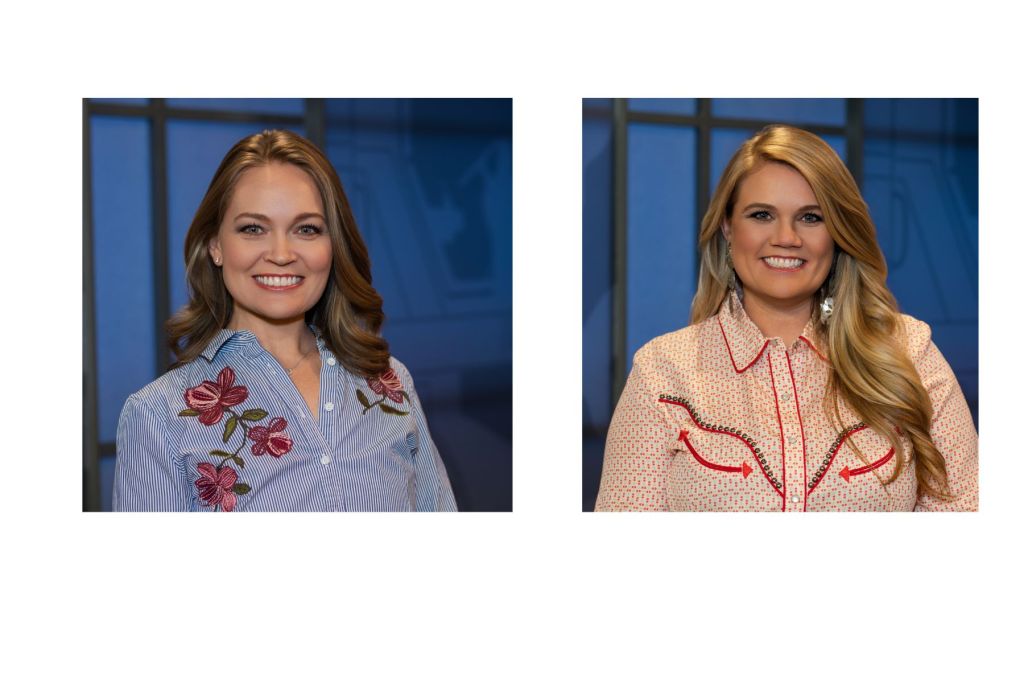 Gatsby Gottsch Solheim and Raquel Gottsch Koehler (Courtesy photos | Rural Media Group)
RFD Studios operates from physical production centers in Nashville at RFD Studios: Music Row and at RFD Studios: Auction Barn in the Fort Worth Stockyards. These facilities will support an expanded slate of lifestyle, food, music and unscripted series, including the recently premiered cooking show, “Twisted Skillet.” Additional music-focused originals will begin production in May.
“The auction barn studios in Fort Worth are really going to be a place for us to connect with our audience,” said Gatsby Gottsch Solheim, co-owner and chief financial and legal officer. “It’s really going to be a place where people can come in and listen to music that will eventually be on RFD TV, or to do the rural town halls.
“We will be investing in music and entertainment-type programming, really bringing in that live studio audience so they can experience everything from new country to traditional country, to gospel music, bluegrass music and red dirt music.”
They will also use the studios for rural town halls, which they have done in the past.
“That’s just not a market that is well-served by traditional media,” Solheim said. “Look at this recent winter storm. Most of the stations were talking about traffic and such, not about issues related to farmers and ranchers. We can do that.”
RFD Network opened the Fort Worth studios about a decade ago just as the Stockyards began its redevelopment. Koehler said the growth of the Stockyards and the increased number of visitors is perfect for the network.
“We can really reach an audience right there with what, 10 million annual visitors?” she said. “It’s a great opportunity for us that we want to maximize.”
They will continue to produce programming aimed at the network’s rural market, such as broadcasting the Fort Worth Stock Show & Rodeo’s upcoming Junior Sale of Champions.
RFD TV was officially launched in December 2000 by Patrick Gottsch. Originally from Nebraska, Gottsch moved to Fort Worth in 1991 and worked for Superior Livestock Auction, based in the Stockyards that pioneered the use of video and satellite video marketing in the livestock industry.
Gottsch died in May 2024 and his two daughters, Solheim and Koehler, took control of the operations.
In November 2024, Fort Worth’s Teton Ridge acquired RFD’s Cowboy Channel.
RFD Network is excited to integrate more closely with Fort Worth’s burgeoning film and production community, said Solheim.
“We think it’s a great opportunity for us,” she said.
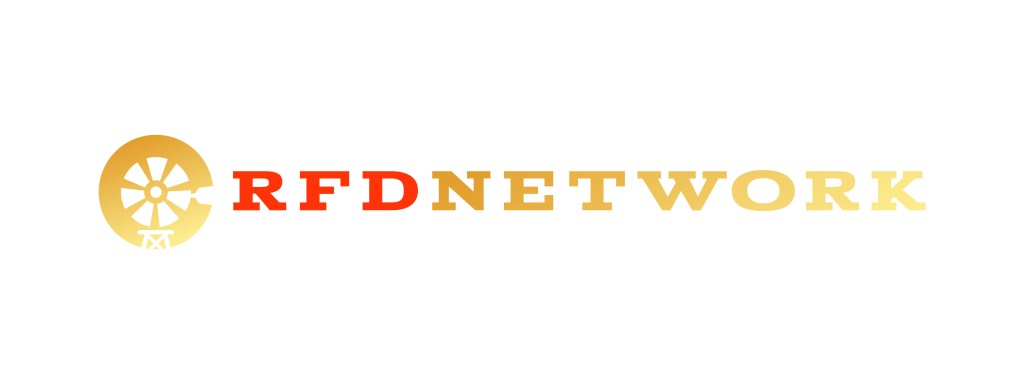 RFD Network logo, 2026. (Courtesy image | RFD Network)
To reflect the evolution of RFD’s business model, RFD Network has updated its visual identity, including new logos for RFD Network, RFD-TV, RFD+ and Rural Radio on SiriusXM.
The new RFD-TV logo will honor the company’s heritage while pointing to its future, according to Koehler.
The iconic windmill remains, while a simplified, contemporary design moves beyond the visual language of towers and dishes to reflect a brand focused on creating content rather than just distributing it.
“Our father designed the original logo to reflect who we were when the company first launched more than 25 years ago,” said Koehler. “That logo with the windmill has always stood for the people and communities we serve, so keeping it was deeply important to us.”
H-E-B mania in south Fort Worth
If you go by social media, the next H-E-B store is coming to south Fort Worth at a site previously occupied by Minyard’s Sack ’N Save brand at the southeast corner of McCart Avenue and Alta Mesa Drive.
But don’t start preparing your taste buds for Tex-Mex Brisket Queso, homemade tortillas or H-E-B Wavy Bread & Butter Pickle potato chips just yet.
It is true that San Antonio-based grocery giant H-E-B owns the site, but as company officials said, they have owned the property for 14 years and have no immediate plans for it. Company officials said they often purchase properties that they may or may not develop.
H-E-B obviously has big plans for the Dallas-Fort Worth area though. On Jan. 30, the company announced it plans to develop more than 600 acres in Valley View, a town in Cooke County, about 60 miles north of Fort Worth. The project will support the grocer’s supply chain operations. No timetable for the development was released.
Shivers Farm coming
Fort Worth’s Trademark Property Company and Shivers Family Partnership have received Southlake City Council approval to advance Shivers Farm, a 40-acre mixed-use community.
The project already has a “signed specialty grocer,” according to Trademark, though they didn’t specify the name. It will be the first major grocery north of Highway 11, according to the firm.
Shivers Farm will feature 111,000 square feet of retail, 38,000 square feet of office space, 37 single-family lots, and a 3-acre pad approved for hotel, entertainment or additional retail uses. The project is expected to break ground in spring 2026.
Have something for Bob on Business: Send to bob.francis@fortworthreport.org
Bob Francis is business editor at the Fort Worth Report.
At the Fort Worth Report, news decisions are made independently of our board members and financial supporters. Read more about our editorial independence policy here.
This <a target=”_blank” href=”https://fortworthreport.org/2026/02/01/bob-on-business-rural-focused-network-with-large-fort-worth-presence-lassos-new-content/”>article</a> first appeared on <a target=”_blank” href=”https://fortworthreport.org”>Fort Worth Report</a> and is republished here under a <a target=”_blank” href=”https://creativecommons.org/licenses/by-nd/4.0/”>Creative Commons Attribution-NoDerivatives 4.0 International License</a>.<img src=”https://i0.wp.com/fortworthreport.org/wp-content/uploads/2021/04/cropped-favicon.png?resize=150%2C150&quality=80&ssl=1″ style=”width:1em;height:1em;margin-left:10px;”>
<img id=”republication-tracker-tool-source” src=”https://fortworthreport.org/?republication-pixel=true&post=389371&ga4=2820184429″ style=”width:1px;height:1px;”><script> PARSELY = { autotrack: false, onload: function() { PARSELY.beacon.trackPageView({ url: “https://fortworthreport.org/2026/02/01/bob-on-business-rural-focused-network-with-large-fort-worth-presence-lassos-new-content/”, urlref: window.location.href }); } } </script> <script id=”parsely-cfg” src=”//cdn.parsely.com/keys/fortworthreport.org/p.js”></script>