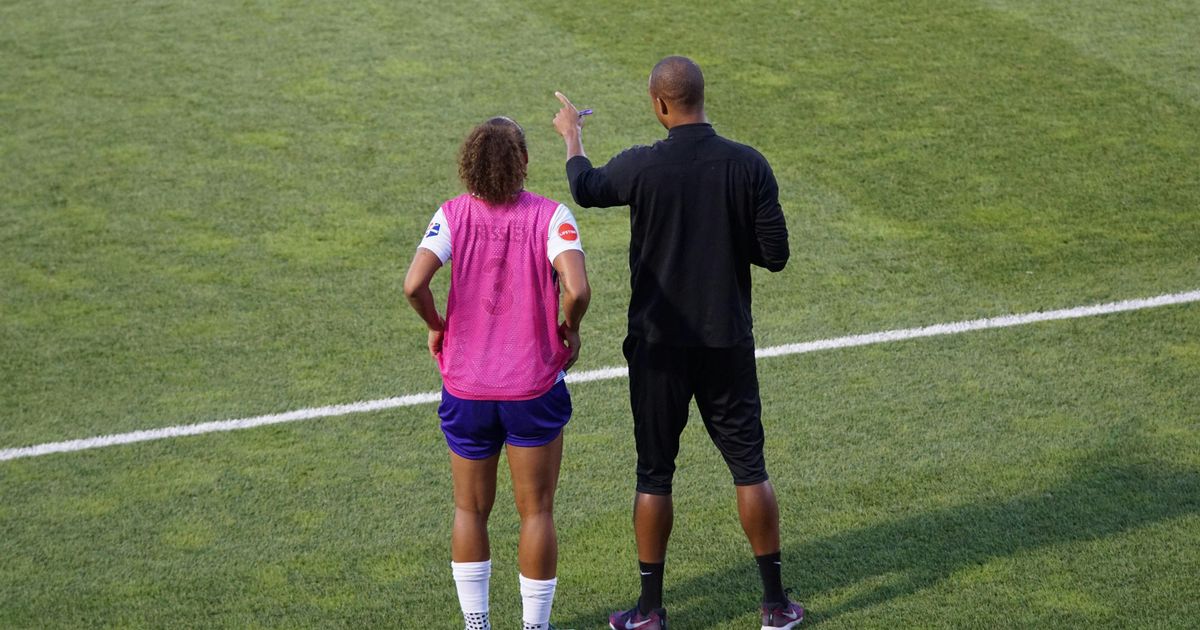
Youth coaches in North Carolina would be required to receive training on how to recognize signs of mental illness and substance abuse under a new bill being pushed in the state legislature.
Senate Bill 550 would help coaches assist students experiencing crises and help connect them with professional resources. The bill would require the State Board of Education to approve training programs and mandate certification for high school coaches.
“Mental health is just as important as physical health,” state Sen. Caleb Theodros, a cosponsor of the bill, said during a news conference Thursday.
He said coaches have a unique vantage point.
“They see the long practices, the quiet moments, the changes in behavior that others might not see,” Theodros said.
Theodros said he and other supporters are examining how much the training proposed in the bill would cost the state and counties. He estimates that if the bill passed as filed, the training would cost roughly $30 per coach. Some of the money is already allocated, but he said rural areas might need more funding.
“It’s important for these areas to know it’s a huge reward to fund this program,” said Rod Brooks, with the North Carolina National Alliance on Mental Illness. “It protects students.”
‘Could have saved my Chelsea’: NC mother says of mental health training
April Simpkins says the kind of training proposed in the bill could have saved her daughter, former Miss USA Cheslie Kryst.
Kryst, a student-athlete, was quietly struggling with symptoms of depression. She died by suicide in 2022 at the age of 30.
“Coaches can change everything for a child,” Simpkins said Thursday.
Simpkins said Kryst lived with persistent depressive disorder and used athletics as a coping outlet, but the family didn’t fully understand the severity of her condition until later. Simpkins thinks a coach, if trained, could have spotted the signs.
“This could have saved my Chelsie,” she said. “It can save other people like her.”
According to Wake County Community Health Needs Assessment, student mental health worsened during the pandemic and has improved slightly since then.
Thirty-nine percent of high school students reported persistent feelings of sadness or hopelessness in 2023, down from about 43% in 2021, but above the average of about 30% for the previous four surveys, dating back to 2013. Middle school students showed a similar pattern in recent surveys.
The legislation is backed by the North Carolina High School Sports Association. Final approval still requires action from the Republican controlled General Assembly. Theodros says some Republicans have recognized the importance of the legislation.
Senate Leader Phil Berger and House Speaker Destin Hall didn’t immediately respond to requests for comment.
If you’re having suicidal thoughts or a mental health crisis, call or text 988 or call the National Suicide Prevention Lifeline at 800-273-8255. Veterans can press “1” after dialing 988 to connect directly to the Veterans Crisis Lifeline. For texts, veterans should continue to text the Veterans Crisis Lifeline short code: 838255.