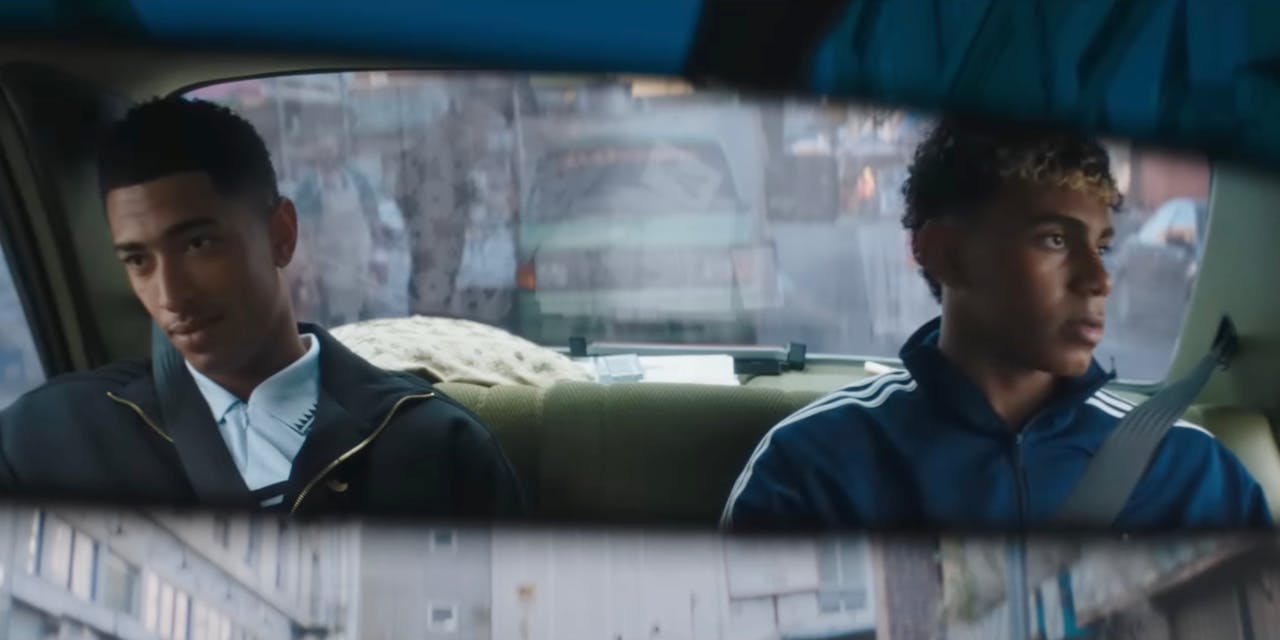
Adidas might be a Fifa partner, and has captured attention with ‘Backyard Legends,’ but Nike is stealing the show with its athlete-led marketing, argues Jennifer Roberts of Onclusive.
Adidas’ ‘Backyard Legends’ is the campaign other brands are being judged against this summer, says Roberts (Adidas/Youtube)
Every World Cup has its big marketing storyline, and this year it’s playing out between two sportswear giants almost as fiercely as anything happening on the pitch. The old logic of sports sponsorship was simple: pay for official status, secure the rights, and the visibility takes care of itself. Adidas has done exactly that, arriving at this tournament as Fifa’s official kit partner with the broadest team roster of any brand in the competition. By the traditional rules of sports marketing, that should make Adidas the clear commercial winner of this World Cup.
Except that the traditional rules may no longer apply. Nike isn’t an official Fifa sponsor, holds no tournament rights, and can’t put its logo anywhere near a pitch. Yet it’s generating more conversation around its World Cup-related marketing than the brand that paid for the privilege of being there. New analysis found that Nike accounts for 52.4% of all World Cup endorsement coverage, more than half the entire conversation, without official sponsorship status.
Audiences that traditional gatekeepers once dominated are now far harder to reach through rights alone, and Nike is showing how innovative, athlete-led marketing can win them anyway.
‘Backyard Legends’
Adidas didn’t waste its position at the top of the official sponsorship tree. With kit partner status and the broadest team roster in the tournament, it had the assets to make a statement, and its short film ‘Backyard Legends’ became the benchmark for a few deliberate reasons. It paired current stars including Messi, Bellingham and Yamal with ‘de-aged’ versions of Beckham, Zidane and Del Piero, giving the film both present-day relevance and instant nostalgia. It cast outside football entirely, with Timothée Chalamet fronting the story, pulling in entertainment and music audiences who’d otherwise scroll past a sportswear ad.
Rather than opening at a stadium, the entire five-minute film features backyard and street football, the kind of everyday play most fans actually fell in love with the game through. That gave Adidas a far more shareable, emotionally resonant hook than tournament footage alone could provide. That combination of star power, cross-audience casting and an accessible emotional setting is what turned the short film into one of the defining pieces of creative work this World Cup. It’s widely viewed as the campaign that other brands are being judged against this summer.
But creative acclaim and conversation share are not the same thing, and that’s where the picture gets more complicated for Adidas. Built on tournament rights and a unifying brand campaign, Adidas’ approach represents the traditional sponsorship playbook at its best. The question this World Cup is asking is whether that playbook still wins.
Want to go deeper? Ask The Drum
Athlete equity
Nike isn’t an official Fifa partner. It can’t put its logo on a ball or a pitch-side hoarding. What it has instead is a roster of individual athletes whose personal star power is proving more valuable than institutional rights. According to the analysis, the three most-mentioned player endorsement partnerships in the entire dataset all belong to Nike: Mbappé (21.0% share of voice), Ronaldo (18.8%) and Haaland (12.6%). Combined, those three deals alone account for over half of all endorsement mentions tracked across the tournament.
Nike’s partnership with Norway striker Erling Haaland perfectly demonstrates the brand’s outside-the-box approach. During the match against France, 20 Haaland lookalikes, including Hollywood actor Channing Tatum, appeared dressed as the striker. The guerrilla-style stunt was deceptively simple, but it created a hugely viral moment beyond the reach of more traditional channels.
That’s a striking amount of commercial attention for a brand that, officially, isn’t even part of the tournament. It confirms something brand strategists have suspected for a while: individual athlete equity has become a media channel in its own right, one capable of generating reach that rivals or exceeds what official rights deliver. Nike didn’t need a seat at Fifa’s table. It built the conversation by leveraging the players everyone was already talking about.
Lesson behind the rivalry
The Adidas-Nike contest is a useful proxy for a much bigger shift happening across sports marketing. Audiences are no longer engaging primarily with institutions and tournaments; they’re engaging with personalities. A federation or a kit deal can put a brand in front of people, but it can’t create the kind of fandom that drives a young fan in Seoul or Lagos to share a clip of their favorite player. That distinction matters more with every tournament cycle, as attention continues to fragment across platforms and markets.
This isn’t a signal that official sponsorship is becoming worthless. Adidas’ creative success with ‘Backyard Legends’ shows rights-holders can still produce category-defining work when they combine scale with genuine craft. But it suggests that rights alone are no longer sufficient. The brands winning the broader commercial conversation this World Cup are the ones pairing strong creative or localization strategy with cultural relevance, not simply the ones with the biggest check.
Athletes v tournament
So, do brands gain more from owning the tournament or the athletes driving it? This is the question every marketer watching this rivalry should be asking. Official rights buy access, visibility and a guaranteed presence across official tournament touchpoints. Athlete partnerships buy something harder to manufacture: built-in audiences who already care, and who will carry that attention across borders and platforms long after the final whistle.
Nike’s performance at this World Cup suggests that, at least when it comes to earned media and social conversation, the athletes may now be worth more than the rights themselves. But the more interesting takeaway is how clearly that becomes visible once you’re actually watching the conversation unfold, rather than just assuming a sponsorship deal is delivering. Brands that track where attention flows in real time can see early on whether their investment is paying off in genuine reach or just official presence. For brands planning their next major sponsorship investment, this World Cup is a reminder that the badge alone no longer tells you where the conversation is happening; the data does.