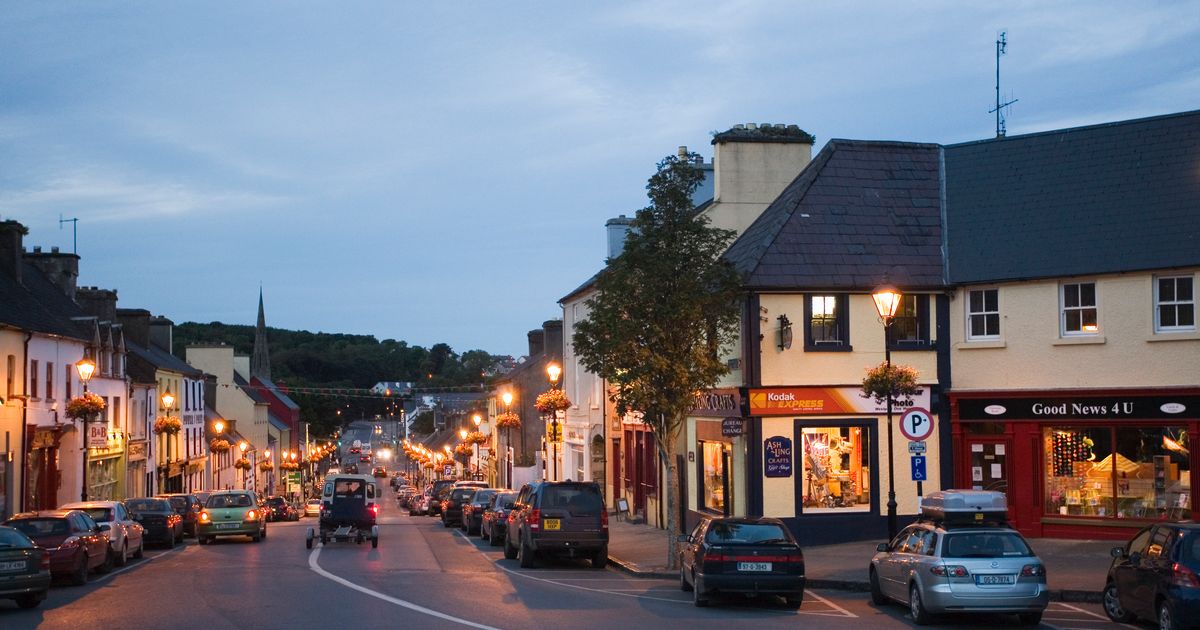
A clock change is on the way for Ireland, with 8pm sunsets just around the corner.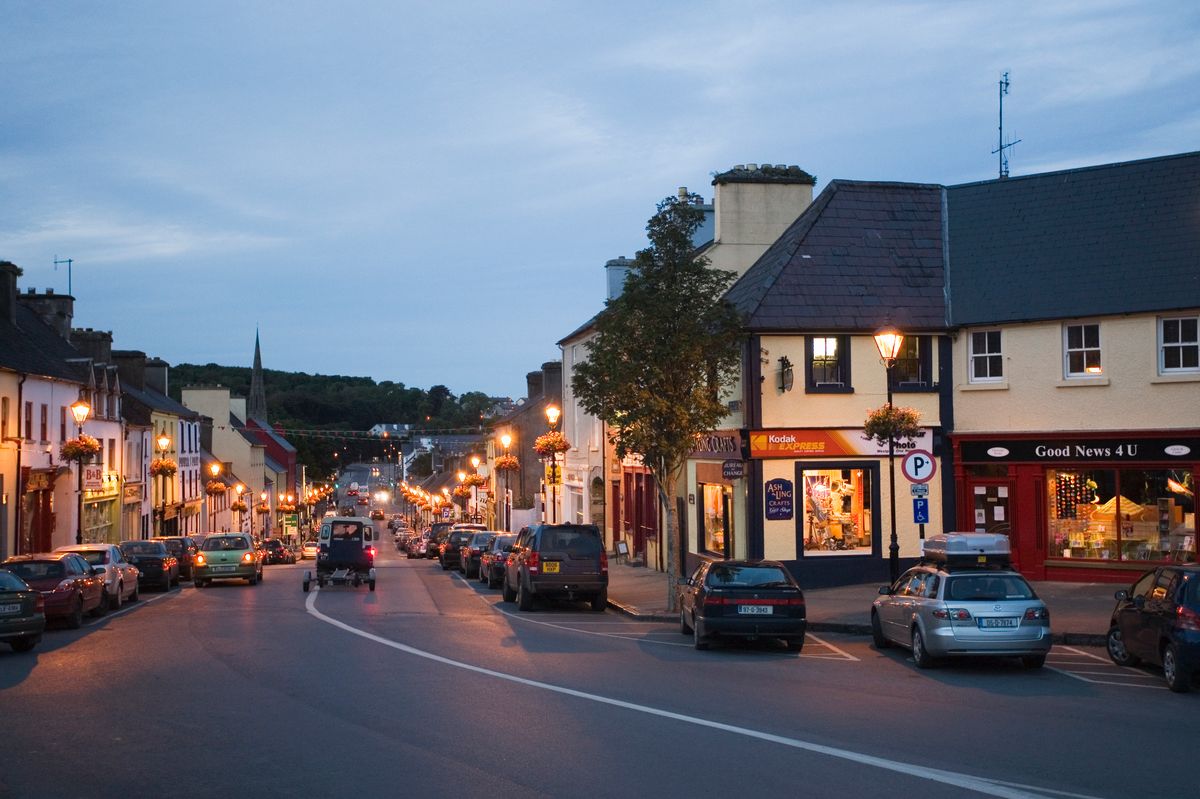
Sunset in Westport(Image: Richard Ross/Getty Images)
Ireland is currently in the depths of winter, with cold, dark mornings and early nights persisting. The dreary weather over recent weeks has left many of us dreaming of brighter evenings – and the good news is that they’re fast approaching.
For those following the astronomical calendar, Friday, March 20, marks the first day of spring. The spring equinox signals the gradual return of longer days, lighter evenings and, hopefully, some much needed sunshine.
With the change in seasons comes another important shift – time. At the end of March, clocks will spring forward by one hour, ushering in the beginning of Daylight Saving Time.
This year, the clocks go forward on Sunday, March 29, meaning the sun won’t set until nearly 8pm – that’s only 10 weeks away. From there, evenings will continue to stretch. By April 18, sunset is expected around 8.30pm, and by the end of the month, it will be nearly 9pm.
Interestingly, this year’s clock change comes a day earlier than in 2025. While the clocks went forward on March 30 last year, this year we’ll move them an hour ahead on March 29, giving us that extra daylight a little sooner.
For those with smartphones or smartwatches, on Sunday, March 29 at 1am, your device will automatically jump ahead to 2am, but decorative clocks will need to be manually changed. While the change means losing an hour of sleep, it also means longer evenings to enjoy in the daylight.
It’s not just Ireland that will be enjoying the extra sunlight. All EU member states will follow suit, as this seasonal shift was originally implemented to make the most of the natural light as Earth orbits the sun.
The European Union voted in 2019 to potentially end Daylight Saving Time altogether after 2021, following a survey showing most people would prefer not to switch clocks twice a year. However, the decision was delayed due to the Covid pandemic.
EU institutions have not made progress on implementing the decision, and the European Commission has said that it does not plan to submit a new proposal on the matter to the Parliament, meaning that no changes are expected to summer and winter time in the coming years.
Later in the year, clocks are due to go back one hour on Sunday, October 26.
Subscribe to our newsletter for the latest news from the Irish Mirror direct to your inbox: Sign up here.