I know: Fiber isn’t exactly sexy. But, frankly, everyone poops—and so it’s well worth talking about. After all, dietary fiber is what helps keep things running smoothly in the good ol’ GI department; not to mention that it also reduces risks for heart disease, strokes, obesity, type 2 diabetes, and some cancers.
“Fiber is a key player in maintaining digestive health, regulating blood sugar, and supporting heart health,” says dietitian Jennifer Pallian, R.D., creator of Foodess. “It’s not just about preventing constipation—fiber also feeds our gut bacteria and can even help manage weight by keeping us fuller for longer.”
The thing is, despite all of its not-to-be-understated health benefits, most people don’t get enough fiber in their diets. In fact, a whopping 95 percent of Americans fall short of the recommended dietary fiber guidelines (25 grams for women and 38 grams for men between ages 19 and 50). Miss the mark on the fiber and you’re likely to feel hungrier (like all the time), have all-over-the-place energy levels, and notice irregular bowel movements.
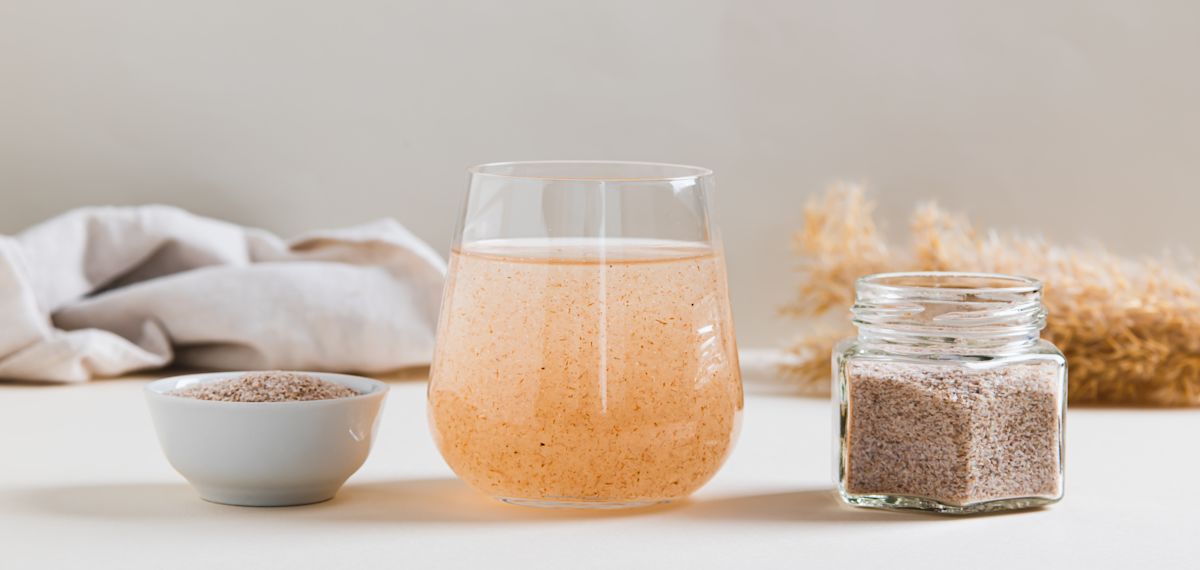
Enter fiber supplements. When your daily eats just aren’t cutting it in the fiber department, a supplement (such as psyllium husk) can help fill gaps and help your digestive system function as it should.
Sad but true: Helpful as they are, fiber supplements can get a bad rap for being less than delicious. Not to worry, though; I’ve got expert-backed tips for making your fiber supplement routine more enjoyable.
What are the signs you’re not getting enough fiber?
-
You’re hungry soon after eating
-
Irregular or difficult bowel movements
-
Bloating or sluggish digestion
What are the benefits of fiber supplements?
People commonly seek out fiber supplements to support their digestion and to avoid constipation—but they offer loads of benefits beyond this.
Two big ones: blood sugar and cholesterol support, Pallian says. Soluble fibers like psyllium, in particular, can slow down the digestion of carbs, which can help control your blood sugar levels, Pallian explains. Research has also shown that psyllium can support healthy levels of LDL cholesterol.
They also promote overall gut health (which impacts many areas of your overall well-being) by feeding healthy bacteria, says Pallian. Research shows that fermentable fiber supplements, like inulin, have positive effects on intestinal microbiota, a major plus for gut health.
Of course, when it comes to digestion, soluble fibers that form a gel (think: psyllium and bran) can help alleviate constipation by increasing stool bulk and softening it, making it easier to poop, Pallian explains.
There’s also evidence that links consuming fiber with lower body weight, which may be explained by fiber’s ability to keep you feeling full, thus lowering your overall caloric intake, says dietitian Destini Moody, R.D., founder of The Athlete’s Dietitian and expert panelist at Garage Gym Reviews.
Read More: Can you overdo fiber? The rise—and risks—of fibermaxxing
How to make supplementing with fiber more enjoyable?
If you don’t mind your powdered fiber supplement mixed with plain water, by all means, keep up the routine. But if you struggle to keep up with the regimen, these expert-backed tips can help.
1. Add psyllium husk powders to smoothies
Adding your fiber supplement to a smoothie can make it much more enjoyable.
Psyllium husk may not be too exciting mixed with plain water—but blends well into smoothies, if your routine needs a switch-up. Pallian recommends including thicker ingredients like banana or yogurt for best results. “The natural thickness of these ingredients helps incorporate the psyllium without altering the smoothie’s texture too much,” she says.
For digestive health and regularity, drinking a psyllium-enriched smoothie in the morning can be great in the morning to kickstart your digestive system and establish a routine to maintain bowel regularity, Pallian suggests..
2. Opt for an unlavored supplement
Whether or not a daily smoothie is in the cards for you, it’s a good idea to choose an unflavored supplement, suggests Moody. This way, you can also mix it into your morning coffee, soft foods like oatmeal and yogurt, or your post-workout shake. Yep, you can add psyllium husks to everything from homemade baked goods (like muffins or bread) and soup, to bone broth and hot cereals. Often, these foods better mask the supplement than water, notes Pallian, which may make it easier to take regularly.
“Incorporating the supplement into things you planned on consuming anyway that have a flavor to mask the fiber taste can be key to being consistent,” Moody agrees.
3. Consider a different fiber supplement form, if needed
Powdered fiber supplements are easy to incorporate into foods and drinks, and go practically unnoticed in many of them. That said, if you find powers unappealing or struggle with taking them, consider capsules, suggests Pallian. You may need to pop a handful of them, but that may be your preferred experience!
Gummies may also be worth trying, depending on the type of fiber benefits you’re seeking. “These are usually made with inulin, which is a prebiotic soluble fiber that can increase the frequency of bowel movements by making stool softer and promote gut health,” she says. “It doesn’t, however, form a cholesterol-loving, glycemic-regulating gel like psyllium and doesn’t have the same bowel-inducing effect.”
4. Start with small fiber supplement doses
This one doesn’t have much to do with the immediate experience of getting your fiber supplement into your body, but has everything to do with your overall experience sticking to a supplement routine.
When increasing your fiber intake, it’s best to start low and go slow, says dietitian Alex Evink, M.S., R.D., of the Moderately Messy RD. Otherwise, if you haven’t regularly been consuming a higher-fiber diet, you’ll likely experience uncomfortable symptoms like bloating, abdominal pain, gas, and constipation.
To avoid not-so-pleasant side effects and reap all the benefits of consistency, Evink recommends gradually increasing your fiber intake over a few weeks.
If you’re aiming for a total of five grams of extra fiber per day, you might start with one 2.5-gram dose and add another after a few days or so. If you’re aiming for 10, you might increase that first dose up to five grams and then bump up the second one once you’ve adjusted.
If you experience mild symptoms, Pallian explains, maintain your current fiber intake level for a while longer before increasing it again. If symptoms are more severe or uncomfortable, you may need to reduce the fiber intake slightly before gradually increasing it again.
5. Drink plenty of water
Drinking plenty of water throughout the day can make fiber supplementation much more pleasant.
Another bigger-picture tip for an all-around more enjoyable experience with fiber supplements: drink plenty of water, suggests Pallian. If you don’t, you could end up constipated.
You see, psyllium fiber, in particular, absorbs water, forming a gel-like substance that can help soften the stool, making it easier to pass through the intestines, Pallian says. However, “when you consume fiber without adequate water, the fiber still bulks up and absorbs whatever water is available, but it can become too dense or hard,” she explains. “You want to ensure that the fiber moves smoothly through the digestive tract to prevent it from swelling and causing a blockage.”.
As a general guideline, drink at least eight ounces of water with each five-gram dose of psyllium husk, Pallian says. This is part of your total daily water intake, not necessarily in addition to it. A general goal worth striving for: eight total glasses per day. However, personal needs vary, she notes. Keep an eye on your urine; if it’s pale yellow, you’re drinking enough!
6. Give fiber some time
For bowel health, upping your fiber isn’t an instant miracle, Pallian says. Instead, it impacts the stools formed after its intake. As soluble fiber absorbs water as it moves through the digestive system, it helps to soften the stools being formed. This process takes time, usually at least 12 to 24 hours—and often longer, says Pallian. So don’t get discouraged if your fiber supplement doesn’t have you immediately beelining to the bathroom.
7. Stay consistent with fiber supplements
For best results, take fiber supplements on a regular basis; not just when you need to get things moving along, Pallian says. Consistency is important to avoid digestive discomfort, such as bloating, gas, or changes in bowel habits. Your digestive system functions best with a regular fiber intake, so sporadic use won’t provide the same benefits.
“Regular intake helps your digestive system adjust to the fiber and minimizes potential side effects that could arise from taking it sporadically,” she says.
Not only that, but other benefits of fiber, such as reduced risk of certain chronic diseases (like heart disease and type 2 diabetes), and potential weight management, are achieved by helping manage cholesterol levels or stabilizing blood sugar, Pallian explains.
Bottom line: If you’re not hitting your fiber goals, a supplement can help—but consistency (and hydration) is key. Start small, stick with it, and your gut will thank you.
FAQs about fiber supplementsHow long do fiber supplements take to work?
Fiber supplements aren’t an instant fix. According to dietitian Jennifer Pallian, soluble fiber works on the stools being formed after you consume it—so you’ll typically notice effects within 12 to 24 hours, though it can take longer depending on your body and routine. Consistency is key for best results.
Can you take fiber every day?
Yes—fiber supplements are designed to be taken daily. In fact, regular use is important to support digestion and avoid side effects like bloating or irregularity. Your gut functions best with a steady intake, so taking fiber occasionally (instead of consistently) won’t provide the same benefits.
What’s better: psyllium or inulin?
It depends on your goals. Psyllium forms a gel in the digestive tract, which can help with constipation, support blood sugar control, and lower LDL cholesterol. Inulin, on the other hand, is a prebiotic fiber that feeds beneficial gut bacteria and supports overall gut health—but it doesn’t have the same cholesterol-lowering or stool-bulking effects as psyllium.
Can fiber help with weight loss?
Fiber can support weight management by helping you feel fuller for longer, which may reduce overall calorie intake. As dietitian Destini Moody explains, this increased satiety can make it easier to manage hunger and avoid overeating over time.