
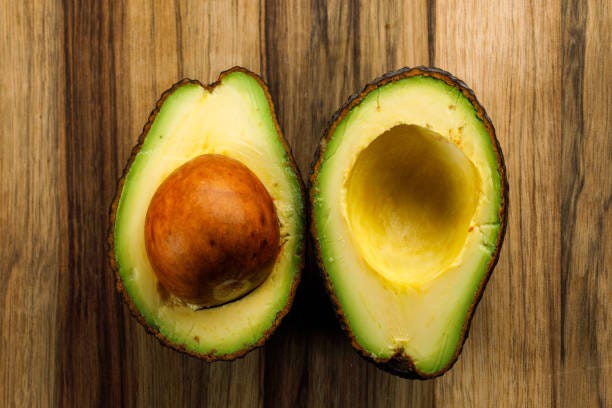

How Healthy Are Avocados Really?
Avocados are known for their abundance of healthy nutrients and numerous health benefits.
unbranded – Lifestyle
Quinoa is a type of edible seed that comes in a variety of colors, including black, red, yellow and white, according to Harvard T.H. Chan School of Public Health.
“Though quinoa is technically a seed, we classify it as a whole grain because its nutrient profile is similar to other whole grains,” Jill Weisenberger, a registered dietician and author of “Prediabetes: A Complete Guide,” previously told USA TODAY.
And unlike some whole grains such as barley, rye and wheat, quinoa is gluten-free. It’s also better for glucose management than refined grains like white rice.
“Because it contains protein, fiber and micronutrients, quinoa has less of an impact on you blood sugar,” Dr. Uma Naidoo, director of nutritional and lifestyle psychiatry at Massachusetts General Hospital and the Harvard-trained nutritional biologist behind “Calm Your Mind with Food,” previously told USA TODAY.
“Delicious, nutritious and versatile, quinoa has gained popularity over the last few decades as a high-protein, gluten-free, whole-grain base for many dishes,” Naidoo said.
Is quinoa actually good for you?
Quinoa is a good source of protein, omega-3s and dietary fiber. The whole grain is also rich in antioxidants, which have been shown to reduce one’s risk of heart disease and certain cancers.
“Quinoa is popular because it contains more protein, omega-3 fatty acids and fiber than many other grains that we consume regularly,” Abby Langer, a clinical nutritionist, registered dietitian and founder of Abby Langer Nutrition, previously told USA TODAY.
It is also known for being a good source of vitamins and minerals such as folate, manganese, phosphorous, iron, vitamin B1 and magnesium.
Plus, it’s gluten-free, making it a “very healthy option for many individuals,” Naidoo said.
The amino acids in quinoa are key for muscle development and for supporting overall immune health, she added.
“Unlike many other whole grains, quinoa is a great source of lysine, yet another essential amino acid that is necessary for protein synthesis,” Naidoo said.
Are quinoa and couscous the same thing?
Couscous may seem like a grain, but it’s technically a type of pasta, says Helen Tieu, registered dietitian at Diet Redefined.
“Couscous is made from ground durum wheat (or) semolina flour, the same base used for pasta. The shape is just rolled into small granules,” she says.
Compared to couscous, quinoa is more nutrient-dense.
“Quinoa would be ideal to get in more protein, fiber, vitamins and minerals,” Tieu explained. “This helps to support satiety and blood sugar management.”
For example, 1 cup of quinoa contains about 22 grams of protein and 10 grams of fiber compared to 1 cup of couscous, which has only about 6 grams and 2 grams, respectively.
Is quinoa a protein or carb?
Quinoa is also often touted as being a high-protein food, “although I don’t consider it to be a high quality source of protein as it contains only 8 grams per cup,” Langer said.
“Considering that most healthy people should be consuming 25 to 30 grams of protein at each meal, the volume of quinoa we’d have to eat to achieve that would be huge,” she explained.
Contributing: Daryl Austin