
Dr Crystal Wyllie says there are also links to migraines, gut problems, UTIs and sleep disruptionNeil Shaw Assistant Editor (Money and Lifestyle)
09:42, 19 Dec 2025
 People think the drinks are a healthy choice
For millions, reaching for a “zero-sugar drink” can feel like a healthier choice. But health experts say zero sugar does not necessarily equal zero impact. According to online healthcare provider ZAVA, new evidence suggests that habitual consumption of artificially sweetened drinks may carry consequences far beyond caffeine jolts.
With the share of diet soft drinks in the United Kingdom rising to 74% in 2024, many may be unaware of what’s really going on behind the fizz.
Artificially sweetened beverages (ASBs) are drinks which replace sugar with low- or zero-calorie sweeteners such as aspartame, acesulfame-K or sucralose. They became popular as a weight-management tool and as a way to avoid sugar taxes, while retaining sweetness and the sensation of soda.
 Diet drinks use sugar substitutes to create sweetness
Many consumers turn to them, believing they’re the harmless “zero sugar” alternative. But while the sugar may be removed, research increasingly shows that the body’s response to those sweet tastes, plus the caffeine and acids in diet sodas, may still trigger a range of physiological and metabolic responses.
Ten lesser-known issues associated with heavy diet soda consumption:
- Insulin response, appetite regulation & gut‐microbiome disruption Artificial sweeteners may interfere with how the body senses hunger and fullness. Some research indicates they “stimulate the same neurons as the appetite hormone, leptin”, meaning regular use may raise the threshold for feeling full. Over time, this could lead to altered insulin, glucose responses and changes in gut-microbiota composition that affect metabolism and energy.
- Weight gain and obesity risk despite “zero sugar” labels Many users assume diet sodas are a free pass to weight control. But ZAVA says evidence suggests habitual use of ASBs can be linked with obesity, higher body-fat levels (including visceral fat), greater insulin resistance and a higher incidence of type 2 diabetes. In other words, the swap may not equal a win, habitual ASB (artificially sweetened beverage) use appears to correlate not just with body fat, but with clinically meaningful obesity risk.
- Mental health issues, including depression & eating disorder links Frequent consumption of sweetened beverages, including diet drinks, has been associated with higher depression risk among older adults, particularly women, according to ZAVA. Among people with eating disorders (for example, bulimia nervosa), higher diet-drink consumption has been observed: one sample found 34% of diet-soda drinkers reported higher levels of eating/shape/weight concerns versus 22% of regular-soda drinkers.
- Pregnancy and child neurodevelopment concerns Emerging data suggest that when expectant mothers consume ASBs regularly, children may show lower cognitive scores, indicating possible detrimental effects on neurodevelopment, compared with mothers who consumed little or none, according to ZAVA.
- Gut health & metabolic imbalance Additives in diet sodas (sweeteners, acidifiers, and emulsifiers) may alter the microbiome’s composition and fibre metabolism activity. The gut microbiome plays a key role in digestion, immune function, mood and metabolic regulation.
- Dental enamel erosion and potential bone-health impact Though sugar-free, many diet sodas are still highly acidic (phosphoric acid + carbonation) and associated with higher odds of dental erosion. Over time, acid load may also affect bone-mineral density, especially when combined with other risk factors (high caffeine, low calcium).
- Cardiovascular/structural heart complications Studies show that regular consumers of diet sodas and other ASBs may have an increased risk of cardiovascular disease, and some data link them to enlarged left atrial diameter (LAD) and left ventricular mass (LVM), changes in heart structure, acording to ZAVA.
- Sleep disruption & caffeine/carbonation overload Many diet sodas deliver a substantial caffeine hit, and the presence of heavy carbonation can aggravate reflux or bladder urgency. Too much caffeine and disrupted sleep-wake cycles can impair overall health, energy and recovery.
- Lower urinary‐tract symptoms (LUTS), particularly in women Observational evidence indicates that women who have increased their intake of caffeinated diet sodas show worse urinary-symptom scores – more urgency, progression of LUTS, and increased bladder irritability.
- Headaches, migraines & neurological symptoms Some individuals report headaches or migraines tied to frequent intake of diet sodas, and artificial sweeteners (especially aspartame) have been associated with such neurological symptoms in vulnerable populations, according to ZAVA
 The drinks have been linked to problems with mental health, experts say
If you’re relying on diet soda as your daily go-to, try these steps:
- Start slow. Rather than quitting cold turkey, gradually reduce your diet-soda consumption week by week.
- Swap smart. Keep healthier alternatives in your fridge: flavoured still water (e.g., cucumber, mint, lemon), herbal teas, and coconut water.
- Replace the buzz. If caffeine is your motivator, move to plain tea or coffee (avoiding excessive cream/sugar).
- Maintain flavour and fizz. If carbonation is part of the appeal, use sparkling/club water with slices of fruit or herbs, or flavour-infused seltzer.
- Plan ahead. When you go shopping or face social occasions, bring your alternative rather than relying on vending-machine cans.
- Mind the trigger. If the soda urge hits, try a quick 10-minute walk, a glass of water or a distraction. Often, the craving will fade.
- Check your diet. Skipping breakfast or long gaps between meals can increase soda cravings; aim for regular, balanced meals so the soda isn’t used as an energy or hunger “patch”.
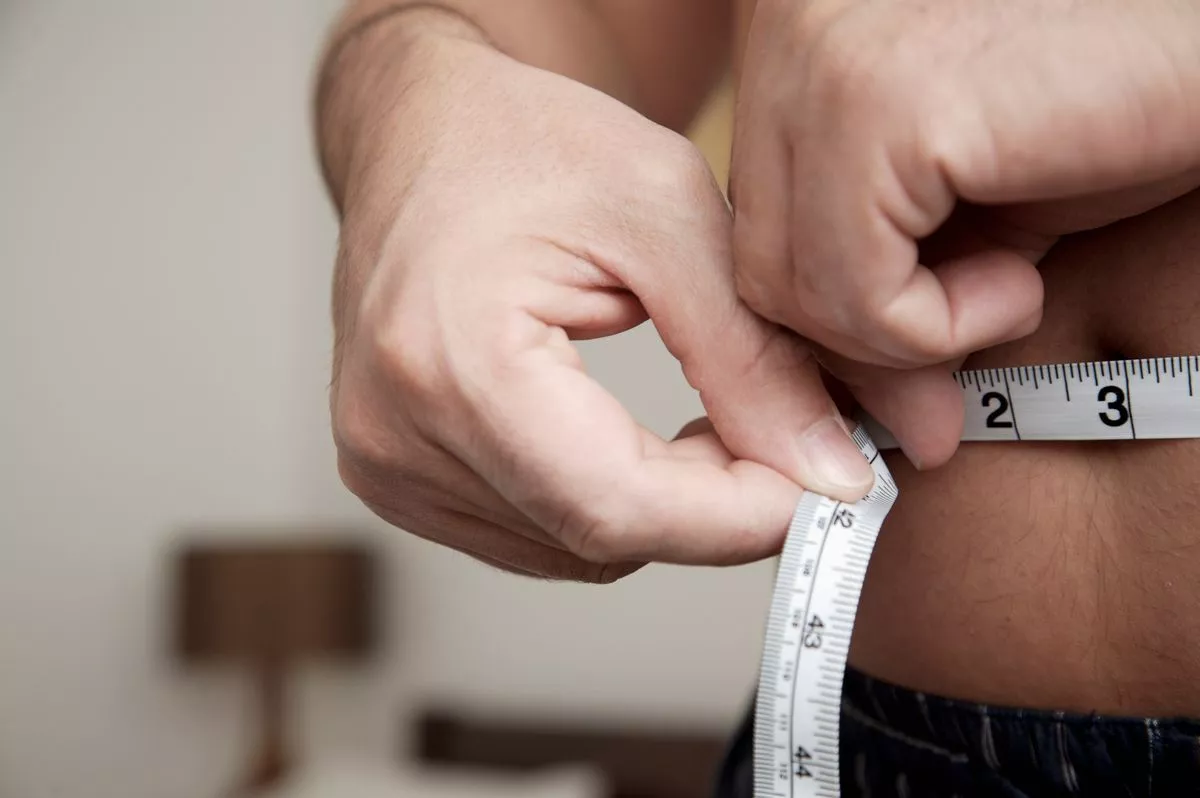 Diet drinks could be linked to weight gain
Laura Surridge, shared her personal experience after years of drinking diet drinks. She said: “I realised that it was aspartame which was causing the headaches because I ended up going to the doctors for it,” she explained. “It didn’t happen straight after I drank it, that’s why it took so long for me to realise it was the problem. The symptoms appeared a couple of hours later.”
Over time, she noticed even more physical effects: “One of my biggest symptoms was joint pain, it felt like my bones were grinding. That’s why I went to the doctor, and everything clicked together.”
Crystal Wyllie, doctor at ZAVA, said: “While diet sodas may seem like a savvy alternative to full-sugar soft drinks, it’s important for consumers to be aware of the potential ripple effects. Artificial sweeteners can affect insulin response, appetite regulation, and gut-microbiome balance, which may influence metabolism and energy levels.
“Caffeine and aspartame intake can also have hormonal or sexual-health implications, while the phosphoric acid and carbonation in these drinks continue to stress dental enamel and potentially impact bone health. For those relying on diet sodas for energy, weight control, or hydration, these beverages may inadvertently undermine those goals.
“Our advice is to treat diet sodas as an occasional indulgence rather than a daily habit, and to prioritise healthier alternatives where possible.”