
Scientists used drones to identify genetic material from a virus in Arctic whales that has historically caused serious illness and mass die-offs in marine mammals Scientists have unearthed a ‘worrying’ virus in Arctic whales(Image: Hinterhaus Productions via Getty Images)
Scientists have unearthed a ‘worrying’ virus in Arctic whales using unmanned drones, indicating a surge in pathogens in polar waters.
This summer, researchers managed to sequence genetic material gathered by drones, revealing a match with viruses known to inflict severe illness in marine creatures. The drones were equipped with sterile collection devices to capture the mist expelled during exhalation on disposable petri-dish-like surfaces or absorbent pads.
The discovery follows growing concerns among scientists about a specific strain of bird flu spreading globally, with fears that containing a human outbreak could prove challenging. Once collected, the samples were sent to labs for testing.
READ MORE: Missing teen in ‘imminent danger’ after disappearing on Christmas Eve as police release CCTVREAD MORE: Peru trains in head-on crash as tourists among casualties on Machu Pichu line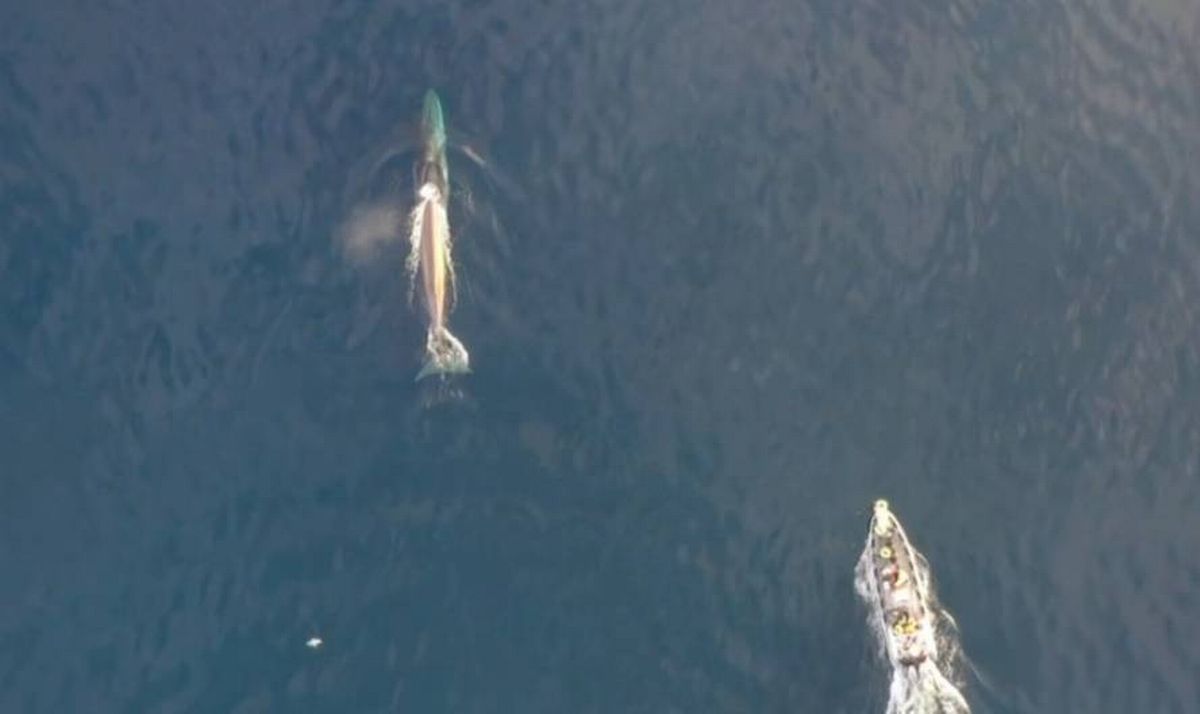 Whale breath collected by drones is giving clues to the health of wild humpbacks and other whales(Image: Nord University)
This non-invasive method minimises stress on the animals and enables teams to sample a larger number of whales across remote regions.
Researchers emphasised that the presence of genetic material doesn’t necessarily indicate an active, widespread disease. However, the findings are significant, as the sequences matched viruses that have historically triggered respiratory diseases and mass fatalities in marine mammals, reports the Daily Star.
While research is still underway, preliminary analyses suggest the virus belongs to a family that can impact lungs and, in some instances, the nervous system.
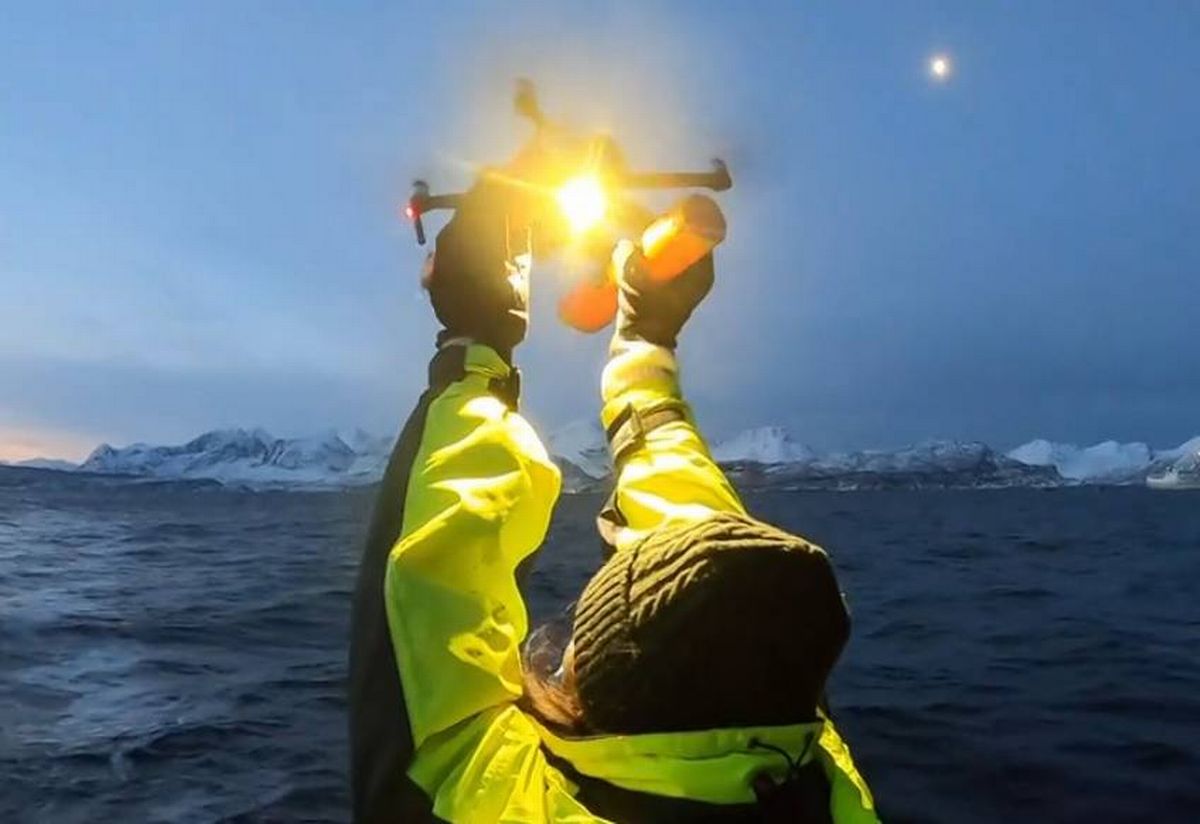 Scientists flew drones equipped with special kit through the exhaled droplets, or “blows”, made when the giants come up to breathe through their blowholes(Image: Nord University)
In a worst-case scenario involving millions of Arctic whale deaths due to potential respiratory disease, the consequences for the world and humanity could be dire.
Phytoplankton generate over half of the planet’s oxygen supply. A drop in phytoplankton numbers caused by insufficient whale-supplied nutrients would drastically cut worldwide oxygen production.
The abrupt mass extinction of millions of Arctic whales wouldn’t just be catastrophic for these creatures alone – it would trigger a domino effect of environmental devastation with sweeping implications for the planet’s entire ecosystem and climate balance.
Meanwhile, Brits are being advised to “mask up” as festive gatherings have caused a dangerous virus to “sharply increase”.
With homes across the UK expected to be packed with Christmas guests this week, a UKHSA spokesperson has issued a stark warning. The most recent government data reveals a surge in Covid-19 hospital admissions, showing a 32.4% rise compared to the previous month.