
What do you and your car have in common? They both need regular MOTs to ensure everything is working as it should be, and to pick up on any potential issues early so that they can be addressed before they get any worse.
We usually only think about our health when something goes wrong, but it is just as important to keep an eye on your health when everything seems fine.
Prevention is better than cure – and when we pay attention to our health and address thing in a timely way, we can reduce the likelihood of illness and certain health conditions.
And what better time of year to think about having a health MOT than January when the national conversation seems to be focused on a new year and a new beginning?
New FeatureIn ShortQuick Stories. Same trusted journalism.
There are specific health checks that are recommended by the NHS for certain age groups and demographics, like smear tests, mammograms and the NHS Health Check for 40- to 74-year-olds, for example. But there are also some basics that we can all be aware of, offering us the opportunity to take action whatever age we are.
Knowing what these are and staying on top of them can hopefully keep us healthy for longer – so, what are the health checks you should pop on your list of things to do in 2026?
Height, weight and waist measurement
This might sound simple, but these measurements can give us a good idea of one aspect of our health. The higher our BMI, the more the risk of developing conditions like heart disease or type 2 diabetes. You can calculate your BMI (body mass index) from your height and weight if you are over 18 years old, not pregnant, or have a condition that affects your height. There is a BMI calculator on the NHS website which you can use for free and your result will be categorised into underweight, healthy weight, overweight or obese.
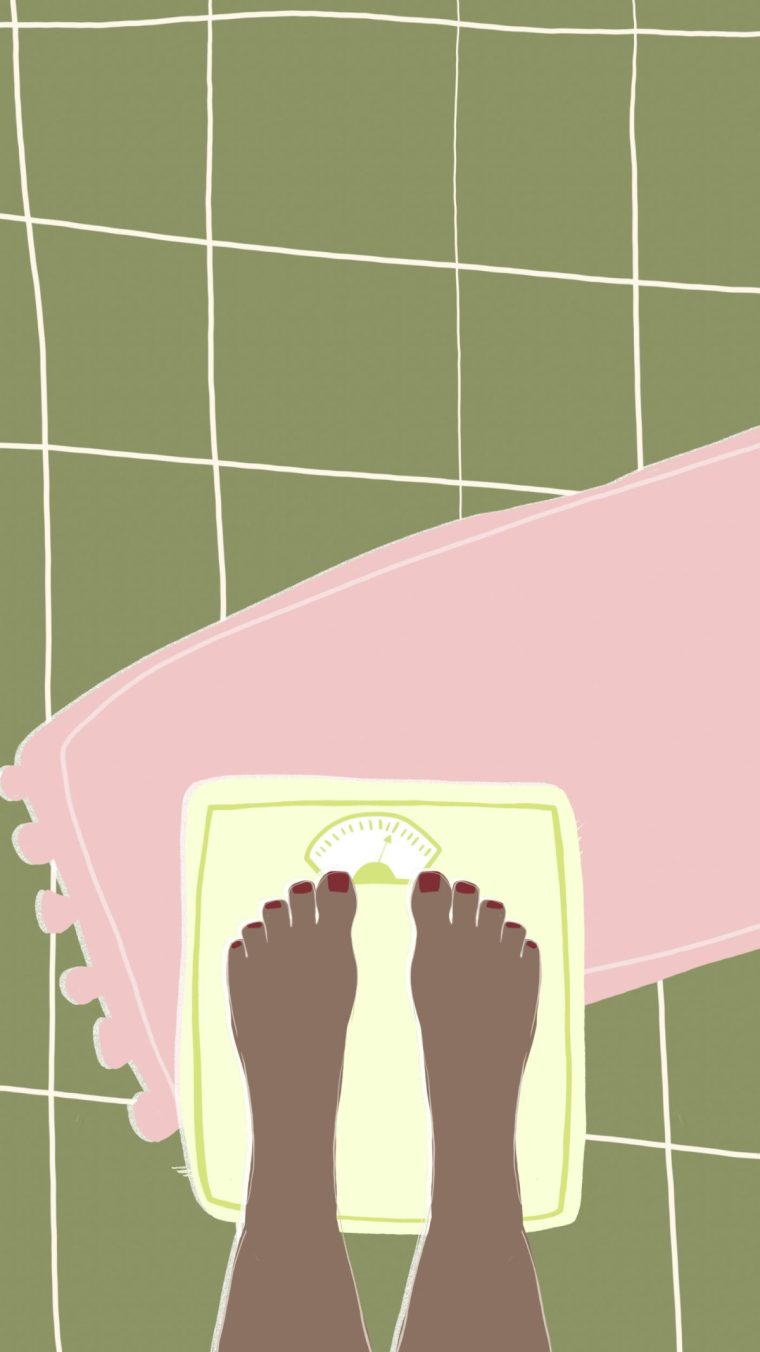 Having this information can help you understand if you might be able to benefit from making some healthy changes (Photo: Getty)
BMI cannot, however, tell if you are carrying too much fat or you may have lots of muscle (muscle weighs more than fat). So, it can be helpful to also measure your waist because research has shown that carrying weight around your middle can better indicate if you are at higher risk of developing high blood pressure, high cholesterol, type 2 diabetes or heart disease.
You can calculate your waist to height ratio using the NHS online calculator; a ratio of between 0.4-0.49 is considered healthy. Having this information can help you understand if you might be able to benefit from making some healthy changes to your daily life, such as exercising more, or changing what you are eating. There are some free NHS tools that can support you to do these things – including the Couch to 5k programme, for example, or you could ask your healthcare professional for some support and input.
Blood pressure
This is a simple test that can check if your blood pressure is too high or too low. High blood pressure doesn’t normally cause many symptoms, and that is why it is so important to check it routinely.
If you have high blood pressure, you at more risk of heart disease or strokes, and low blood pressure can cause faints or dizziness. You can usually get your blood pressure checked at your local pharmacy, your GP practice or some workplaces. It is a simple test where you place your arm in an inflatable armband. The air band fills up with air and then deflates and gives a resultant blood pressure reading.
You will get two readings; the top one is the “systolic” pressure which is the highest level your blood pressure reaches between each heartbeat, and the lower number, the “diastolic” pressure which is the lowest level. You can check your blood pressure reading on the free NHS “Check your Blood pressure reading” tool online or ask your healthcare professional for their advice on your result.
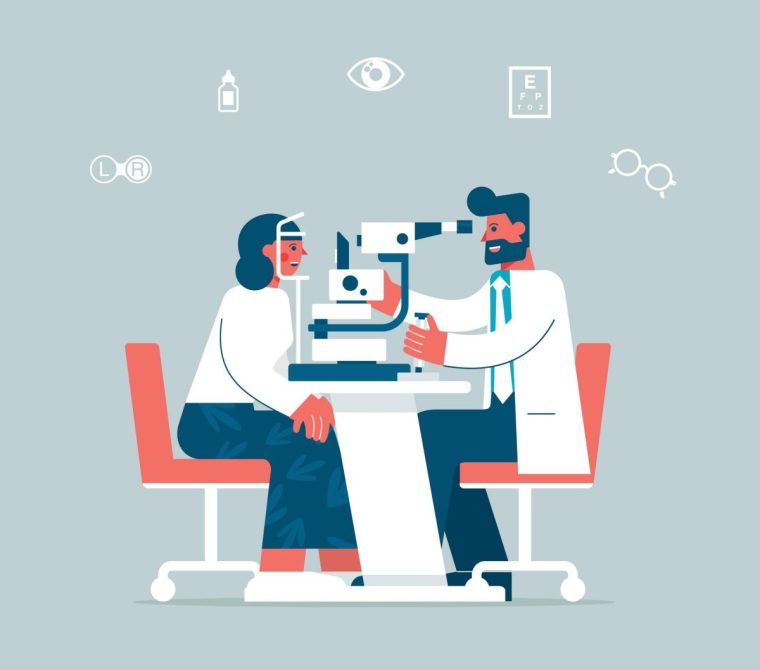 It is important to know if you might need a prescription for glasses to ensure your vision is good, reducing headaches or eye strain (Photo: Getty)
Eye test
When did you last have an eye test? You may think you don’t need one, but it is a great check to do – and it’s not just about your eye health, but your general health as well. It is important to know if you might need a prescription for glasses or contact lenses to ensure your vision is good, reducing headaches or eye strain – even more so now that we use so many screens and devices.
An eye test can also determine if you have dry eyes, which can make you feel tired when you’re not.
The test can also pick up eye specific problems like glaucoma (high pressure in the eye), or cataracts. Eye tests can also pick up signs of other more general health problems like diabetes, high cholesterol or high blood pressure before they have caused any more generalised symptoms.
An eye test is often described as being a “window” into your general health because it can give us a lot of information. It is recommended that every adult should get an eye test every two years, although if you have specific conditions or symptoms, then your optometrist can advise you more frequently.
Hearing test
In this age of often excessive and constant use of headphones to consume media, and for some jobs too, it is more important than ever to think about whether we need a hearing check or not.
Lots of pharmacies and opticians have audiologists who can do hearing tests for adults. It can take about 15 minutes to one hour and you may be asked to listen to different sounds through headphones raising your hand when you can hear, or listen to speech, or undergo a check to make sure your eardrum is moving normally.
If we have hearing loss and we don’t get any support to improve our ability to communicate and hear then we can be at higher risk of depression, social isolation and a decline in our cognition, so it is an important one to consider.
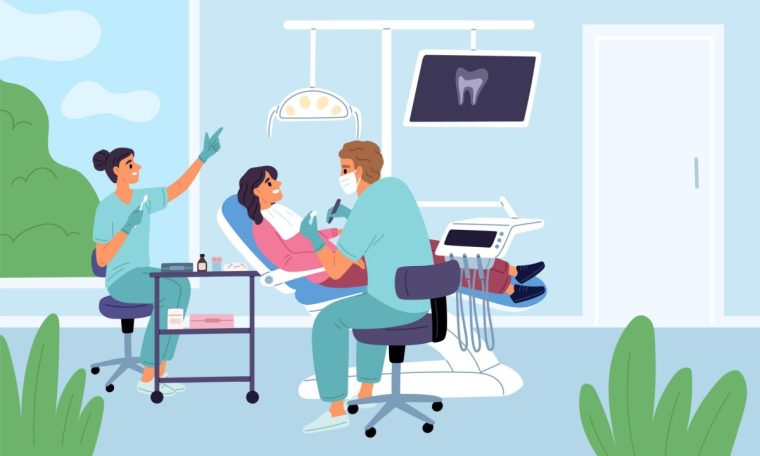 Having a regular dental check-up can ensure that any problems like decay or gum disease (Photo: Getty)
Dental check
The final MOT health check to think about is our teeth, gums and mouth in general.
Having a regular dental check-up can ensure that any problems like decay or gum disease can be caught early before any pain is felt, and be easily treated.
The NHS recommends every adult should have a dental check up based on your individual risks; that can be anything from every three months to two years, depending on what your dentist has advised.
Just like our eyes can reflect our general health, certain oral conditions can be linked with more generalised conditions like heart disease, diabetes or even certain medications you might be taking.
The dentist can also check your jaw joint to make sure it is working well and can advise about signs of jaw grinding at night which may indicate that you are stressed.