Janine Lamontagne/iStockPhoto / Getty Images
This year’s food and nutrition trends emphasize fibre and protein, embracing wellness from the inside out and tailoring nutrition to your unique needs.
From gut- and muscle-friendly foods to personalized diets powered by technology, here’s a peek at some of 2026’s predicted trends.
Fibre remains in the spotlight
Consumers will continue to prioritize gut-friendly fibre in their daily diets this year. And it’s not only older adults who are emphasizing fibre.
Thanks to social media, younger consumers have become increasingly interested in fibre-rich foods to support gut health. Last year, the TikTok trend #fibermaxxing – intentionally eating meals and snacks to meet or exceed daily fibre requirements – took off.
The focus on fibre will remain strong this year but in favour of a balanced approach that includes fibre from a variety of fruits, vegetables, whole grains, beans and nuts.
Need more fibre? Add these six high-fibre foods to your diet
Driving the trend is increasing awareness of fibre’s numerous health benefits, the significant fibre gap in our modern diets and the recognition that our gut microbiome plays a key role in overall wellness.
Whole Foods predicts that an increasing number of products with added fibre will hit store shelves, including pastas, breads, bars and crackers.
Watch also for products with added prebiotics – specific fibres that fuel the growth of beneficial gut bacteria.
Danone’s Activia Expert yogurt, launched recently in Canada, contains its usual probiotics along with prebiotic fibre (inulin). And PepsiCo Inc. plans to bring Pepsi Prebiotic Cola to Canadian grocery stores early this year.
Protein demand stays strong
As the interest in fibre climbs this year, protein will continue to be a dominating trend with no signs of slowing down.
According to the Washington, D.C.-based International Food Information Council, the percentage of Americans trying to consume more protein jumped to 70 per cent last year, compared to 59 per cent in 2022.
Protein’s vital role in building and preserving muscle, maintaining strong bones and supporting the immune system makes it a popular nutrient for physical fitness and healthy aging, as well as weight loss, especially in the era of GLP-1 weight loss medications.
According to FoodNavigator, an online food and beverage industry news service, in 2026 we’ll see more “high protein” labels on products including protein-infused beverages and protein-boosted dairy products.
Protein from plants, not meat, may help you live longer. Here’s how to get more
The number of “protein-plus” products – ones that deliver added functional benefits beyond their higher protein content – is also forecast to increase.
Expect to see high-protein foods fortified with fibre, probiotics, creatine, collagen, electrolytes and adaptogens, which are functional ingredients that support gut health, satiety, muscle recovery, joint health, stress management and sleep.
Trend analysts also anticipate there will be more call-outs on food packaging related to protein quality, such as “complete protein” and “essential amino acids,” plant-based protein and whole food protein sources. (Complete protein foods contain all nine essential amino acids that the body needs but can’t produce on its own; they must come from diet.)
Beans will reign in 2026
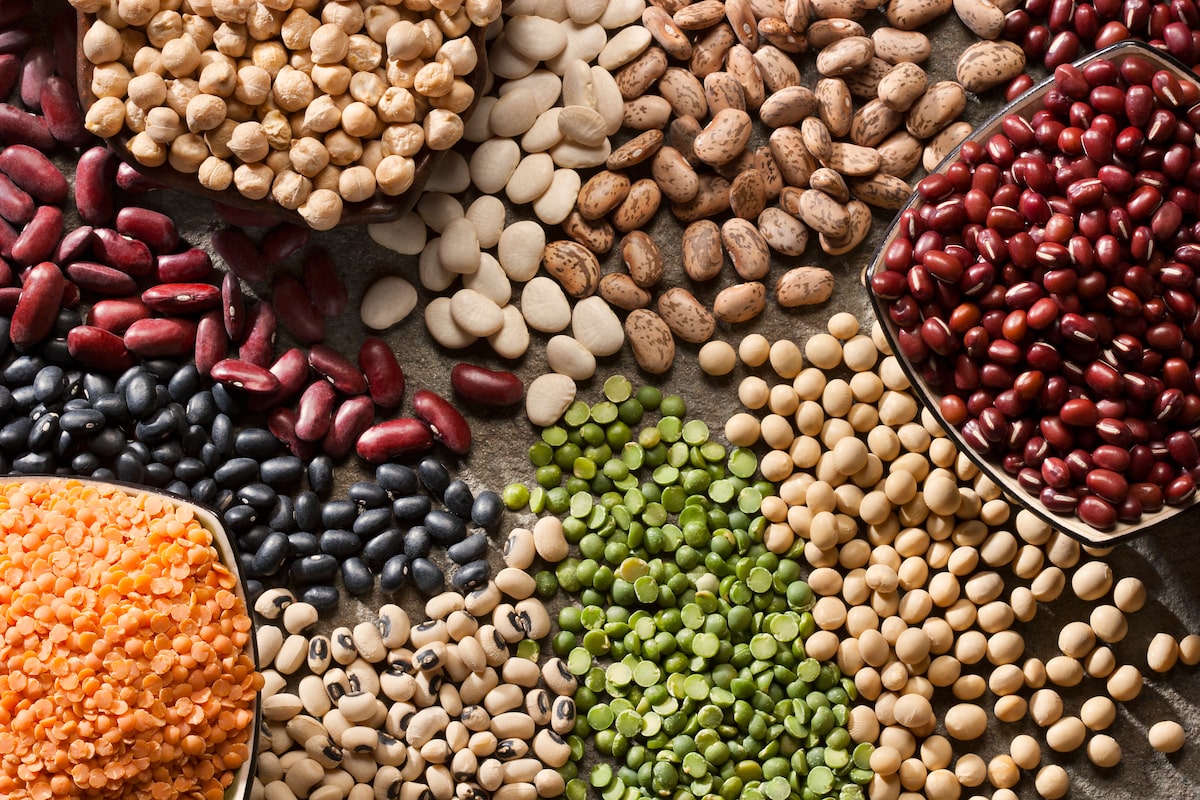
Converging on the fibre and protein trends, consumer interest in pulses – e.g., kidney beans, black beans, pinto beans, chickpeas, split peas and lentils – is expected boom in 2026.
And for good reason. Pulses are highly nutritious supplying plant protein, fibre, vitamins, minerals and protective phytochemicals, and they’re minimally processed, which are attributes that appeal to health-conscious eaters.
Not surprisingly, they’re key ingredients in dietary patterns focused on heart and brain health.
Pulses 101: Beans, lentils and split peas offer a wealth of health benefits
Pulses are also a budget-friendly alternative to more expensive animal proteins.
As well, eating meals built around pulses aligns with broader interest in sustainable, climate-friendly diets.
In 2026, try protein bowls that feature pulses, bean and lentil pastas, hearty bean soups, lentil bolognese, bean chilis, chickpea curry and lentil “meatballs.” Snack on roasted chickpeas, lentils and fava beans.
Personalized nutrition continues to expand
The emerging field of personalized, or precision, nutrition is also expected to trend this year.
According to the Kerry Health and Nutrition Institute, which provides evidence-based research and insights on nutrition and health, the convergence of artificial intelligence, genomics and wearable health technology is moving personalized nutrition from premium to mainstream.
In 2026, diet planning will continue to shift from one-size-fits-all dietary guidelines to data-driven tailored advice that’s based on health and fitness goals, life stage, genetics, microbiome composition, metabolic markers and lifestyle factors.
Many more dietitians, for example, are using data from nutrigenomic testing to inform personalized DNA-specific diet advice.
Want to focus on healthy aging in 2026? Here are 10 nutrition tips to start the new year
Continuous glucose monitoring, once used only for people with diabetes, is increasingly popular with wellness enthusiasts to understand their personal glucose responses to foods.
At the same time, gut microbiome testing companies provide dietary recommendations aimed at building a healthier community of gut microbes.
This does not mean that personalized nutrition will become a panacea in 2026.
There remain challenges and research gaps that need to be addressed before precision nutrition is widely adopted.
The trend does imply, though, that personalization is becoming an expectation when it comes to nutrition advice.
Leslie Beck, a Toronto-based private practice dietitian, is director of food and nutrition at Medcan.