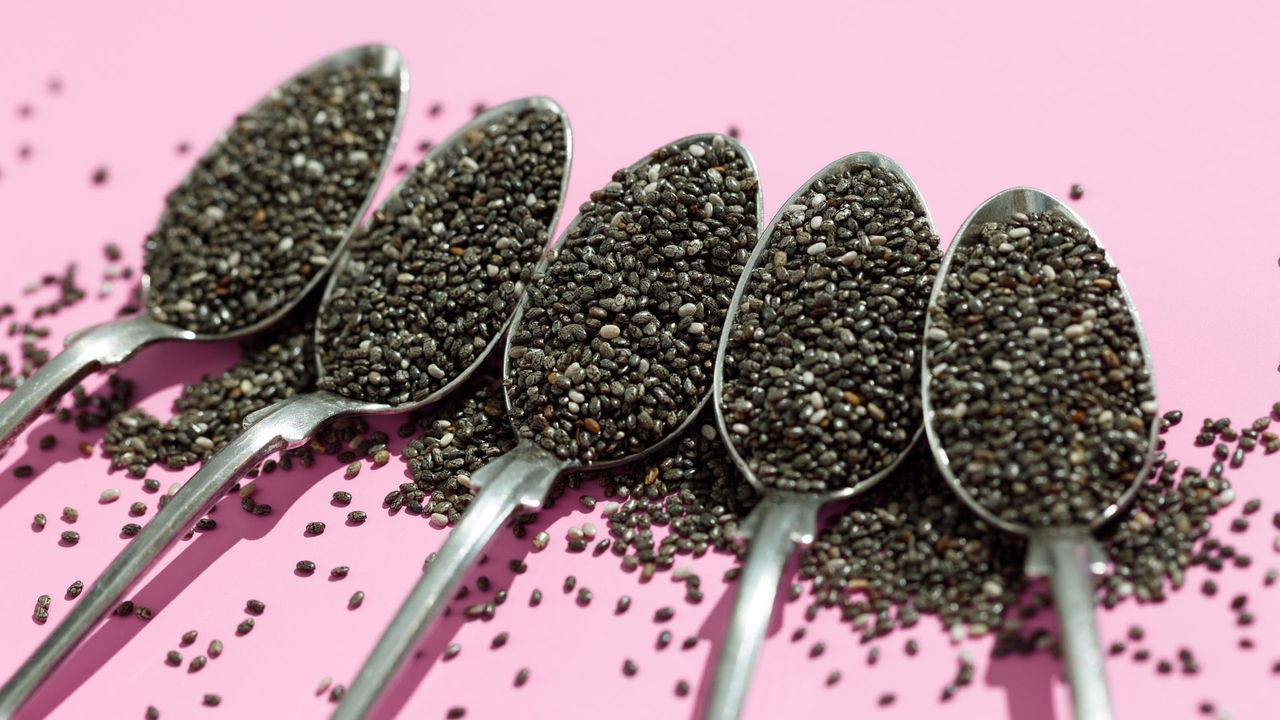
As someone who’s passionate about staying hydrated and eating whole foods that help keep me full, I was excited to hear about how to use chia seeds.
Chia seeds come from the chia plant (Salvia hispanica), which is a member of the mint family and native to Mexico and Guatemala. I already knew that chia seeds were highly nutritious — and chock-full of essential nutrients like fibre and protein. But if I loved eating this nutty-tasting superfood with things like yoghurt and overnight oats, would I also enjoy drinking it in water like I’d seen people doing on TikTok?
In this article:
What are the nutritional benefits of chia seeds?
First things first, why should you eat or drink chia seeds in the first place? “Chia seeds are a powerhouse of nutrients, offering a variety of health benefits,” says Alma Simmons, a registered dietitian nutritionist. “These key elements are fibre, protein, omega-3 fatty acids, minerals — calcium, magnesium, phosphorous and potassium — and antioxidants.”
1. Fibre
“Fibre helps to support a healthy gut microbiome, promotes regular digestion, and can lower the risk of heart disease by improving cholesterol levels and blood sugar control,” Alma explains.
2. Protein
“Protein is essential for building and repairing tissues, producing enzymes and hormones, and maintaining muscle mass. It also helps with satiety, which reduces cravings and promotes healthy weight management,” she continues.
3. Omega-3 fatty acids
According to Alma, omega-3 fatty acids help reduce the risk of heart disease by improving blood circulation, lowering blood pressure, and reducing inflammation. They also support cognitive function and mental health.
4. Calcium, magnesium and potassium
“Calcium supports strong bones and teeth, magnesium helps maintain healthy muscle function and a steady heart rhythm, and potassium is important for regulating fluid balance, muscle contractions, and nerve signals,” says Alma. “These minerals together contribute to overall physical well-being.”
5. Antioxidants
Finally, antioxidants play a key role in preventing cellular damage, which can lead to chronic diseases like cancer, heart disease, and ageing-related conditions, says Alma. “They also support skin health and immune function.”
How to use chia seeds
When added to liquid, chia seeds absorb the liquid and expand, creating a gel-like texture, says Supatra Tovar, PsyD, RD, a registered dietitian specialising in healthy relationships with food and nutrition.
“This expansion makes them ideal for creating thicker, nutrient-dense mixtures like chia pudding, overnight oats, and chia drinks,” says Dr. Tovar. The gel formation is due to the soluble fibre in chia seeds, which also aids digestion and gives meals a creamy texture, she continues.
Better still, chia seeds are incredibly versatile and can be added to the following: