
The NHS dispenses around 11 million units of this drug every year
02:08, 03 Jan 2026Updated 12:57, 03 Jan 2026
 The NHS warned that clopidogrel could cause four “common” side effects(Image: Getty)
Patients who take a commonly prescribed drug have been warned of four potential side effects. According to the NHS, these symptoms affect more than one in 100 people.
On its website, the NHS offers guidance on taking clopidogrel, an antiplatelet medicine. Also known by its brand names Grepid and Plavix, it prevents platelets from sticking together and forming a dangerous blood clot.
This is typically prescribed to people who have a high risk of a blood clot forming to prevent a heart attack, stroke, or other serious cardiovascular events. However, as is the case with any medication, it does come with some potential side effects.
The NHS says: “Like all medicines, clopidogrel can cause side effects, although not everyone gets them. These common side effects of clopidogrel happen in more than one in 100 people.”
These are:
- Bleeding more easily than normal
- Diarrhoea
- Stomach pain
- Indigestion or heartburn
It continues: “Speak to a doctor or pharmacist if the advice on how to cope does not help and a side effect is still bothering you or does not go away.”
 Stomach pain is one potential side effect of this drug(Image: Getty)Serious side effects
Serious side effects are “rare” and happen in less than 1 in 1,000 people. You should call a doctor or call 111 straight away if:
- There’s blood in your urine
- There’s blood in your poo, or you have black poo that looks like tar
- The whites of your eyes turn yellow, or your skin turns yellow
- You feel very tired or have signs of infection, such as a high temperature or sore throat
The NHS adds that you should “go to A&E now” if:
- You’re coughing up blood
- You’re vomiting blood, or there’s something that looks like coffee grounds in your vomit
- You have a nosebleed that you cannot stop and lasts longer than 10 to 15 minutes
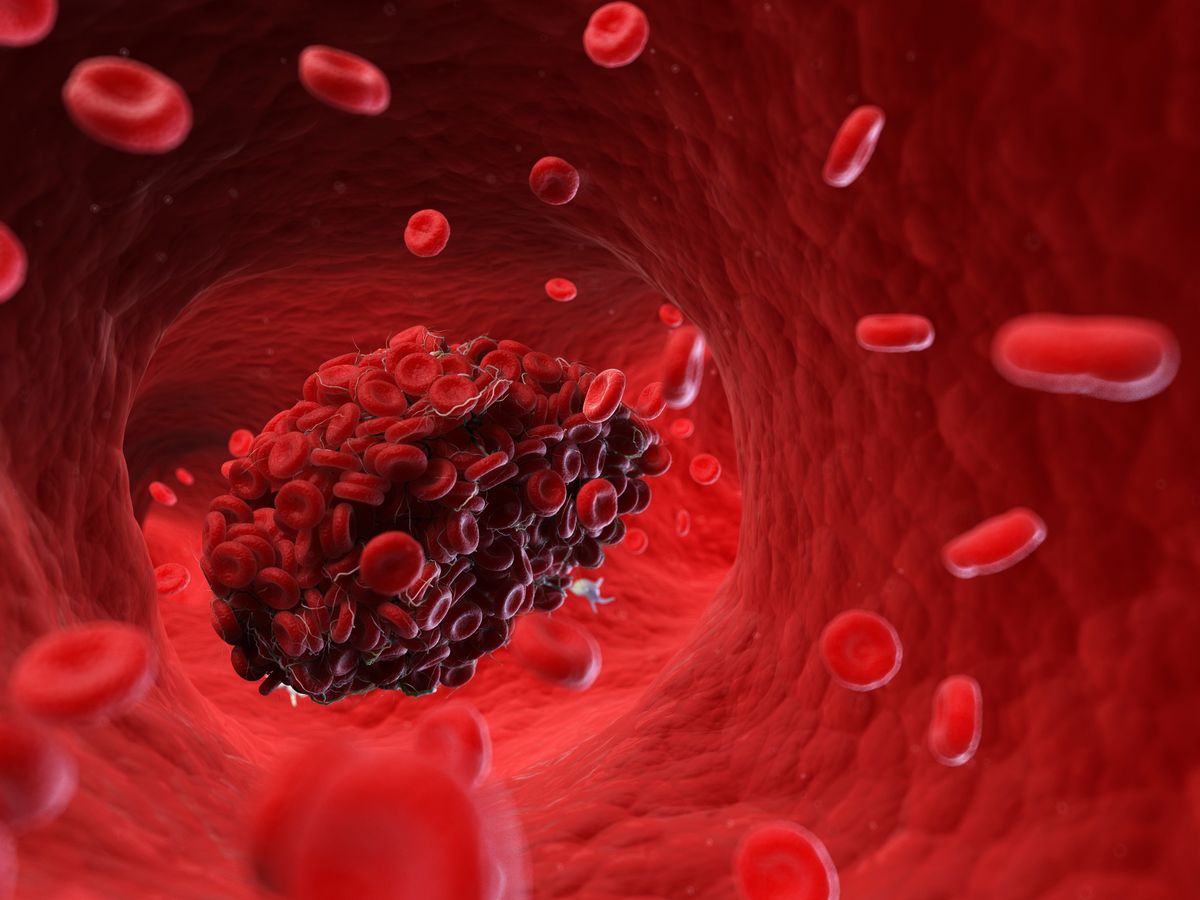 Clopidogrel it prevents platelets from sticking together and forming a dangerous blood clot(Image: Getty)Who cannot take clopidogrel
Clopidogrel is not suitable for some people. To make sure it’s safe for you, the NHS says you should tell your doctor if you:
- Have ever had an allergic reaction to clopidogrel or any other medicine
- Have ever had a stomach ulcer
- Have recently had surgery or a serious injury
- Have had bleeding in your brain (a brain haemorrhage)
- Have a bleeding disorder, such as haemophilia
- Have liver or kidney problems
- Are trying to get pregnant, already pregnant or breastfeeding
Taking it with other medications
Some medicines affect the way clopidogrel works. The NHS says you should tell your doctor if you’re taking any other medicines, including:
- Other medicines to prevent blood clots, such as low-dose aspirin, warfarin, rivaroxaban, apixaban, edoxaban, dabigatran, dipyridamole, ticagrelor or prasugrel
- Non-steroidal anti-inflammatory drugs (NSAIDs), such as ibuprofen
- Antidepressants called selective serotonin reuptake inhibitors (SSRIs), such as citalopram
- Omeprazole or esomeprazole, for indigestion and heartburn
- Rosuvastatin, a medicine for high cholesterol
- Rifampicin, an antibiotic
- Medicines to treat epilepsy, such as carbamazepine
- Medicines to treat HIV, such as efavirenz
- Medicines to treat type 2 diabetes, such as pioglitazone or repaglinide
The NHS adds: “These are not all the medicines that may cause problems if you take them with clopidogrel. For a full list, see the leaflet inside your medicine packet.”