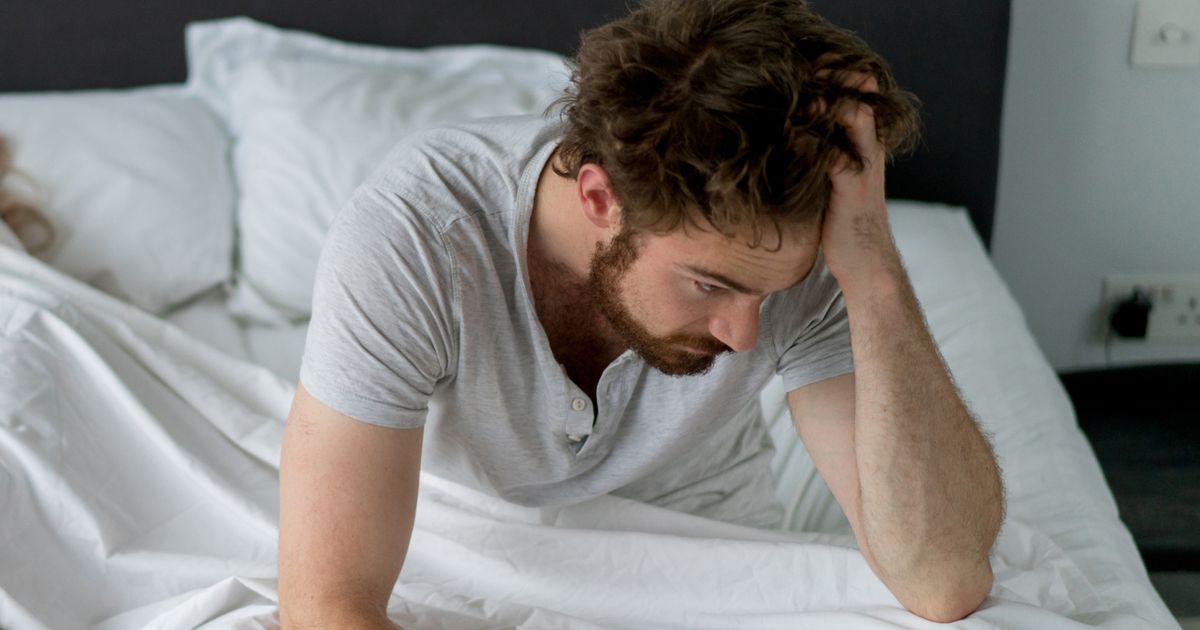
A huge rise in insomnia – not being able to fall asleep – is being blamed on stressful lifestyles and the “24-hour on” culture which can see people checking their phones all through the night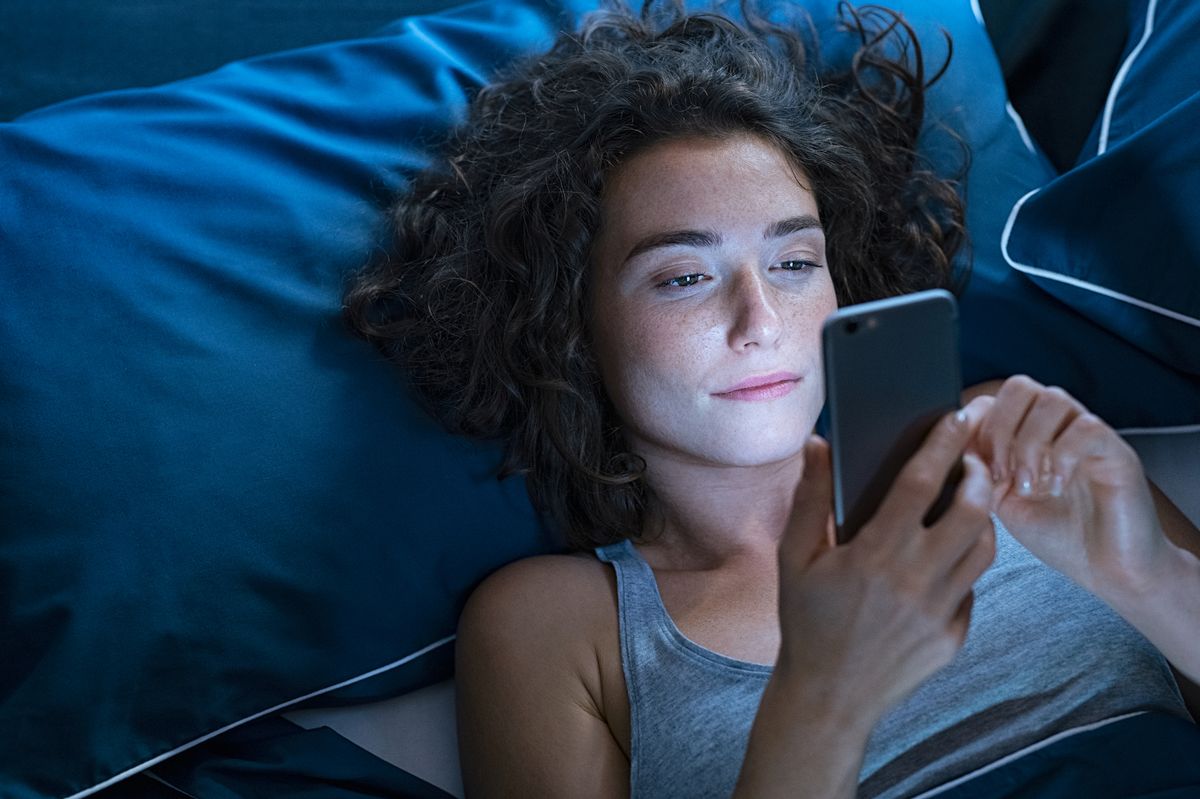
A ’24-hour on’ culture has been blamed for a rise in insomnia cases(Image: Getty Images)
The number of insomnia sufferers has surged in recent years – with people staring at their phones in bed being blamed.
Hospital appointments for those recorded as suffering from insomnia have almost doubled in the last four years, NHS data shows. Much of the rise is being blamed on stressful lifestyles and the “24-hour on” culture which can see people checking their phones all through the night.
Last year there were 33,138 occasions when hospital doctors noted their patient was suffering from insomnia – almost 100 every day. This compares with just 26,944 in the previous 12 months. And it is roughly double the figure from four years ago, 15,215.
Zaheen Ahmed, Head of Treatment at addiction treatment experts the UKAT Group, said: “The ‘Apple Glow’ is a very real thing. We’ve treated people for sleeping tablet addiction that stemmed from using their phones during the night. The constant need to be on their phones completely interrupts their day to day lives, and worse still, their sleeping patterns.”
He added: “We encourage anyone to take the New Year as an opportunity to assess your own phone usage and ask yourself if it could be the answer to your insomnia – we can almost guarantee the answer.”
READ MORE: World’s hottest city where fish boil alive and birds drop from sky in horror 54C heatREAD MORE: Sisters split up after dad murdered mum with hammer reunited after 50 years
Insomnia cases have doubled over last four years(Image: Getty Images)
Workers in jobs where they have to work variable shifts in a 24-hour economy are also thought to be behind the huge rise in people seeking help for their sleep problems.
The figures from NHS Digital for insomnia relate to patients who are treated in hospital for any type of illness, but where the doctor has recorded the patient as suffering from insomnia.
Many of the appointments will be for conditions such as high blood pressure, heart disease, asthma or a stroke which are said to increase risk for insomnia sufferers.
Experts say the hospital statistics are just the tip of the iceberg as these are the cases where people become so unwell they need urgent medical attention.
NHS statistics show more than a million people in England were prescribed sleeping tablets last year at a cost to the health service of £81 million.
Of the eight million prescriptions dished out last year for tablets to help with sleeping by far the most popular was zopiclone, followed by melatonin and temazepam.
Insomnia cases have doubled over last four years(Image: Getty Images)
Stephanie Romiszewski, author of ‘Think Less, Sleep More’, said: “Most people think insomnia is just ‘not getting enough sleep’, but that misunderstanding is part of what’s driving this surge.
“True insomnia isn’t caused by a single bad night or a stressful week – it’s a learned pattern of hyper-arousal where people start fearing the consequences of not sleeping and then change their behaviour to ‘fix’ it.
“Ironically, those fixes – lie-ins, naps, early nights, constant clock-checking – train the brain to stay awake even more. We keep talking about sleep as if it’s a simple case of deprivation and repayment, but that’s not how the biology works.”
She added: “What’s really happening is that people are unintentionally disrupting the mechanisms that make sleep occur in the first place. The more they chase sleep, the more elusive it becomes.”
She added: “The good news is that improvement doesn’t come from dramatic evening routines or squeezing in extra hours.
“It comes from rebuilding consistency: one wake-up time, getting morning light, and giving your brain the chance to relearn that bed equals sleep, not wake and struggle (by spending more time outside of the bedroom when awake).
“Once people understand the difference between lack of opportunity and a conditioned insomnia response, they stop fighting the night and start getting genuinely better.”