Walking is often dismissed as too basic to count as real exercise, especially in a fitness culture dominated by high-intensity workouts and complex routines. Yet for many people, walking is the most sustainable form of movement. Its simplicity often leads to it being underestimated. According to Dan Go, a fitness coach, walking deserves far more attention than it gets. He describes walking as “the most underrated way to burn fat,” noting that it is both low-intensity and highly accessible. Taking to Instagram, Dan shared a cheat sheet of eight walking forms, which he described in the caption as “medicine disguised as movement.”
These walking styles range from interval-based methods to subtle lifestyle tweaks.

- Japanese interval walking: Alternates three minutes of brisk walking with three minutes of slow walking for 30 minutes.
- Incline walking: Dan explains, “Incline walking activates more glutes, hamstrings and core, boosting calorie burn by 50 to 100 per cent versus flat walking.” He adds that walking uphill is easier on the knees, making it a safer way to strengthen legs and lose fat.
- Walking with added load: Carrying five to fifteen per cent of body weight using a weighted vest or rucksack can increase calorie burn by 10 to 30 per cent, while improving bone density, posture, and core stability. “Studies show that weighted walks reduce fat mass faster than body weight alone,” he noted.
- Walking after workouts: On timing, he explained, “Strength training releases fat-mobilising hormones that push stored fat into the bloodstream. Walking right after taps into this window, burning more fat as fuel since insulin is low and fat oxidation is high.”
- Short post-meal walks: Walking for two to ten minutes after meals can reduce blood sugar spikes by nearly 30 per cent.
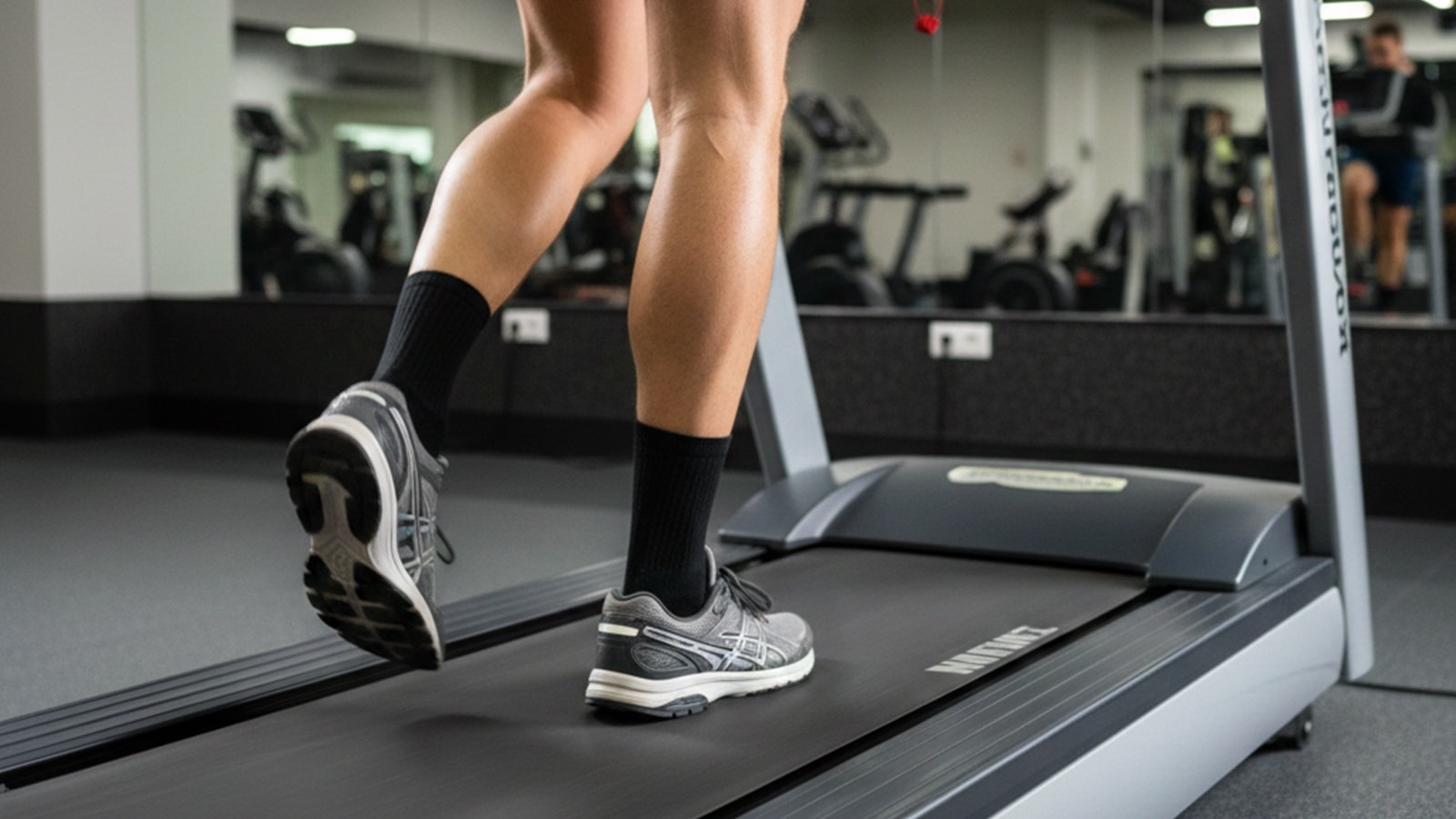
- 12-3-30 workout: Walking on a treadmill at a 12 per cent incline, three miles per hour, for 30 minutes, which he says “torches calories, recruits big muscle groups, and burns fat more efficiently than steady runs,” making it popular for targeting belly fat.
- NEAT walking: Activities like treadmill desks turn “dead time” into “fat-burning time,” adding 2,000 to 3,000 extra steps daily.
- Pyramid walking intervals: Gradually increasing speed and incline before tapering off helps keep metabolism elevated and prevents quick adaptation.
How effective can different walking styles truly be for fat loss, cardiovascular health, and metabolic fitness?
Sadhna Singh, senior fitness and lifestyle consultant at HereNow Official, tells indianexpress.com, “Walking is often underestimated because it does not feel intense, but when done strategically, it can deliver powerful health outcomes. Brisk walking, incline walking, and interval-style walking significantly elevate heart rate, improve insulin sensitivity, and promote fat oxidation, especially in people who are inconsistent with high-intensity workouts.”
For fat loss and metabolic health, she adds, walking has a unique advantage because it places minimal stress on the nervous system and joints, making it sustainable and repeatable. While intense workouts improve peak fitness, consistent walking improves baseline metabolic health, cardiovascular endurance, and recovery capacity, ultimately supporting long-term fat loss more effectively for most people.
How important is timing when it comes to maximising health benefits from walking?
Timing plays a crucial role in amplifying the benefits of walking. Singh states that a short walk after meals “helps blunt blood sugar spikes by directing glucose into working muscles instead of storing it as fat.” This is particularly important for people with insulin resistance or sedentary lifestyles.
“Walking after strength training enhances circulation, reduces muscle stiffness, and encourages fat utilisation because glycogen stores are already partially depleted. While walking at any time is beneficial, pairing it with meals or workouts turns it into a targeted metabolic tool rather than just general movement,” concludes the expert.
DISCLAIMER: This article is based on information from the public domain and/or the experts we spoke to. Always consult your health practitioner before starting any routine.