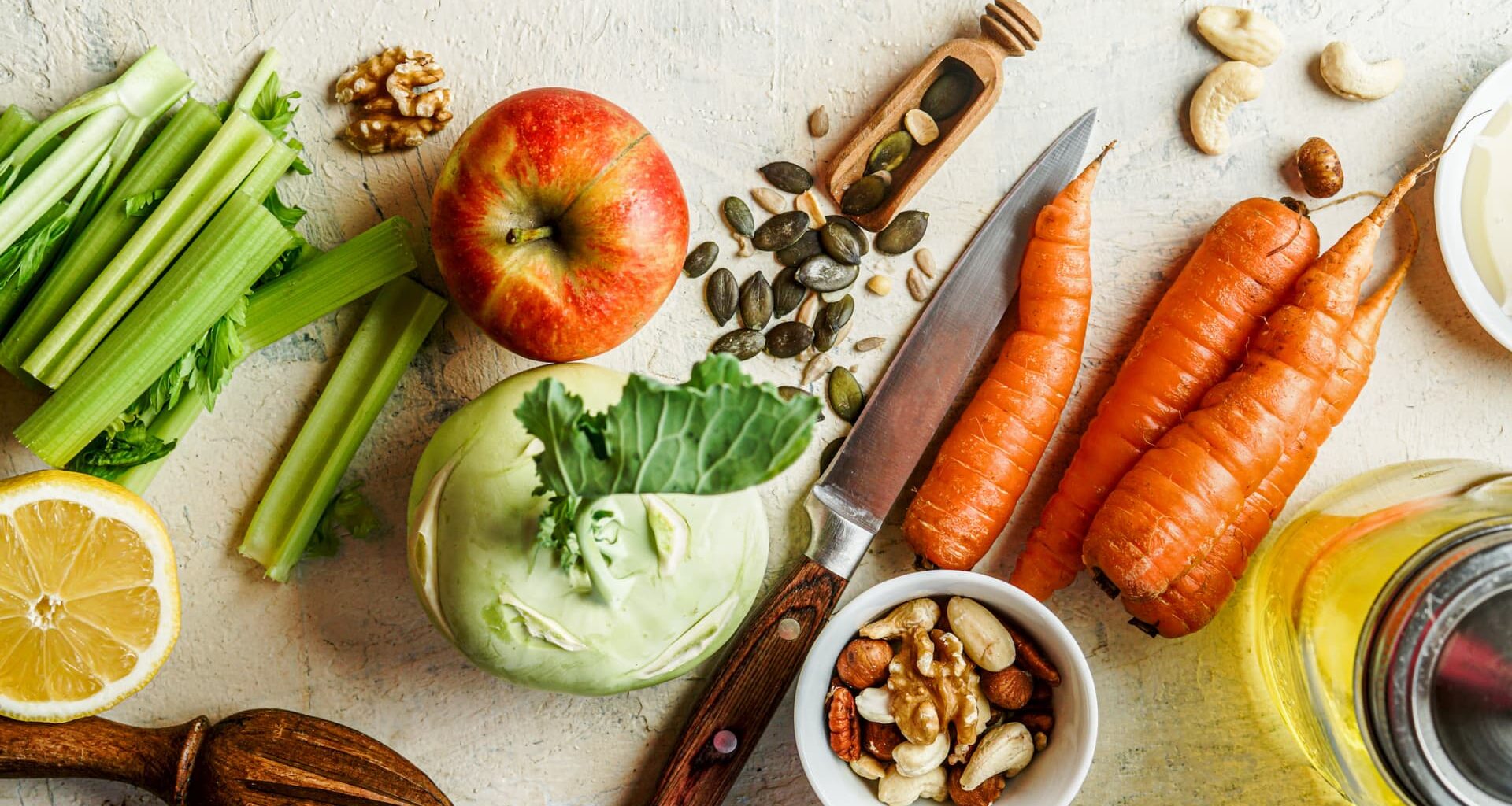
Nutrition is a factor that longevity doctors and researchers commonly point to as key to good health and wellness. As it pertains to diet, some experts say they prioritize antioxidants and add leafy greens to just about every meal. While others focus specifically on reducing or avoiding whole categories, like gluten and ultra-processed foods. And they often encourage their patients to do the same.
But Dr. Simon Feldhaus, a doctor with 30 years of experience who has studied longevity for about half that time, has a much different approach.
“I hate diets. There’s too much discussion about diet,” he tells CNBC Make It.
Feldhaus is also the president of the Swiss Society for Anti Aging Medicine and Prevention and the chief medical doctor of The Balance Rehab Clinic’s Swiss Hub.
“I personally think there is no healthy diet,” he adds.
Feldhaus doesn’t adhere to a strict eating plan. Instead he is intentional about where he sources his food to ensure that it is the best possible quality. He also prioritizes seasonal produce.
“I only eat vegetables that are in season,” he says. “Now, it’s autumn or nearly winter, and there are no strawberries growing, so why should I eat them?”
The more time between when produce is harvested and when it’s consumed, the greater the chance its nutritional content —and value — has declined, Wendy Lopez, a registered dietitian nutritionist, told the American Heart Association in 2024. “Vitamins, particularly vitamin C, degrade during storage, meaning apples kept for several months may have lower levels of certain nutrients compared to freshly harvested ones,” Lopez said.
For a full list of what’s in-season throughout the year, you can reference the SNAP-Ed Connection Seasonal Produce Guide via the U.S. Department of Agriculture.
If you’re wondering which fruits and veggies you should reach for on your next trip to the market or as you prepare your holiday spread, here’s a quick list of what’s in-season right now.
Fruits:
- Apples
- Bananas
- Cranberries
- Grapes
- Kiwi
- Lemons
- Limes
- Mangos
- Pears
- Plantains
- Pomegranates
- Raspberries
Vegetables:
- Bell peppers
- Cruciferous vegetables including broccoli, brussels sprouts, cauliflower and radishes
- Celery
- Green beans
- Leafy greens like cabbage, collard greens, kale, lettuce, spinach and Swiss chard
- Mushrooms
- Okra
- Onions
- Peas
- Potatoes
- Pumpkin
- Root vegetables like beets, carrots, parsnips, rutabagas and turnips
- Sweet potatoes/yams
- Winter squash
Fruits:
- Apples
- Avocados
- Bananas
- Citrus fruits including lemons, limes, oranges and grapefruit
- Grapes
- Kiwi
- Pears
- Plantains
- Pomegranates
Vegetables:
- Brussels sprouts
- Celery
- Certain leafy vegetables including cabbage, collard greens, kale and Swiss chard
- Leeks
- Onions
- Potatoes
- Pumpkin
- Root vegetables like beets, carrots, parsnips, rutabagas and turnips
- Sweet potatoes/yams
- Winter squash
Want to give your kids the ultimate advantage? Sign up for CNBC’s new online course, How to Raise Financially Smart Kids. Learn how to build healthy financial habits today to set your children up for greater success in the future. Use coupon code EARLYBIRD for 30% off. Offer valid from Dec. 8 to Dec. 22, 2025. Terms apply.
Take control of your money with CNBC Select
CNBC Select is editorially independent and may earn a commission from affiliate partners on links.